Sudan Monitor Report
Despite being a country rich in diversity, Sudan's 'Unity in Conformity' ideology legitimizes discrimination and drives conflict.
Overall Score: 4 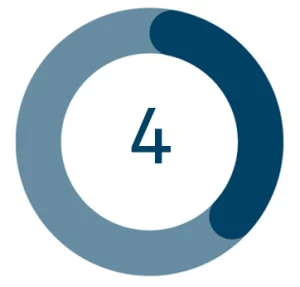
This assessment was completed in 2025.
The ruinous war that has engulfed Sudan since April 2023 has dramatically altered the landscape of the country and the society. Intense levels of violence have caused countless loss of life and immense suffering. Millions have been displaced. Its impacts have further entrenched polarization and deep divides. While the research for this report was conducted prior to the conflict, the core themes of the report remain salient now, particularly if Sudan is to recover and rebuild once an end to the conflict can be secured. The opening paragraph of the full report reminds us of the issues at the core of the conflict, and the consequences of the failure to embrace Sudan’s diversity as a source of strength and possibility for the country. Pluralism will be a necessary tool for the rebuilding of a Sudan that is both united and open to embracing its diversity and committed to addressing the inequalities and divisions that have been laid bare through this devastating conflict.
This report was undertaken during turbulent times in Sudan. The study commenced after the political change that ended 30 years of military dictatorship. Angry and disillusioned youth took to the streets in December 2018, and despite the brutal way in which the protesters were met, demonstrations continued. On April 11th, 2019, the regime of President Omar al-Bashir was deposed. Difficult negotiations began between the Transitional Military Council (TMC) and the Forces for Freedom and Change (FFC). Before these negotiations came to fruition, security forces brutally crushed the sit-in that was organized by youth at the military headquarters in Khartoum. Hundreds were killed, and many others were injured or went missing.
Negotiations resumed and were mediated by the Ethiopian prime minister, who was selected by the African Union (AU). A power-sharing agreement was signed between the military and civilians leading to the formation of a transitional cabinet in August 2019 headed by Prime Minister Abdalla Hamdok. The new government was hailed by the international community, and the Sudanese were optimistic about a possible transition to democracy. The civilian–military power-sharing arrangement was seen as a unique one, and the prime minister commanded respect within and outside Sudan. He expressed his satisfaction with the civilian–military partnership, describing it as exemplary. He was dead wrong. The partnership was difficult and made the transition a tumultuous one.
The military contingent was not sincere and actively obstructed the transition. They orchestrated problems for the civilian cabinet, including blocking the port, sabotaging the supply of necessities, killing innocent civilians and inflaming the situation in Darfur. In October 2021, the military staged a coup, dissolved the civilian cabinet and arrested the prime minister and his team. In November 2021, Prime Minister Hamdok was released and reinstated, but again, the military was insincere in implementing the deal that brought back the prime minister. In the meantime, the killing of civilian protesters continued with impunity. In January 2022, the prime minister resigned, and the situation continued to deteriorate, with more killings and international isolation.
In February 2022, cracks became conspicuous within the military. The leader of the Rapid Support Forces (RSF) publicly said that the October 2021 military coup, of which he was part, was a mistake and that the coup had brought back the Islamists who were ousted by the popular uprising in April 2019. Since then, fractures within the military have continued. The war between the RSF and Sudanese Armed Forces (SAF) started on April 15th, 2023, with devastating impacts: more than 11 million persons were displaced; infrastructure was destroyed; livelihoods disrupted; and famine is looming in Sudan, such that more than 50 percent of the Sudanese are threatened with famine.
While Sudanese indices of human rights have been low for the past three decades, these indices have declined further since 2019. Killing innocent civilian protesters, imprisonment without trial, protecting corruption and economic hardships characterize post-2019 political change. The April 2023 conflict made the situation worse, and the right to life for millions of Sudanese was not preserved. The findings of this report should, therefore, be considered with these developments and the current devastating war that is ravaging the country close in mind. The war has directly impacted the work on this report. Those who worked on it were all displaced by the war and had to leave Sudan for their own safety. It took them a long time to be able to work on the report and finalize it.

I. Commitments
For pluralism, commitments are the most prominent way for states to declare their intent to build inclusive societies, and for non-state actors to keep states accountable. Commitments to pluralism can anchor other efforts to make society’s hardware and software more inclusive.
1. International Commitments
Average Score:4
Language | Score: 3
Religion | Score: 5
Economy | Score: 5
Livelihood | Score: 3
Sudan has ratified and acceded to many international human rights instruments, including those related to non-discrimination. During the transitional period, an agreement was signed in September 2019 between the Office of the UN High Commissioner for Human Rights (OHCHR) and the Government of Sudan to establish a country office for the OHCHR in Sudan with a full mandate. The OHCHR launched its work on July 16th, 2020, and the mandate of the Independent Expert appointed by the United Nations Human Rights Council (HRC) was changed to “technical assistance.” Sudan faces major challenges related to the enjoyment of economic, social and cultural rights due to the continuation of the policies of discrimination and inequality that plague Sudanese society and negatively affect the enjoyment of these rights, especially in the areas affected by the conflict, “which constitute root causes of civil unrest and conflicts in Sudan,” in addition to the challenges of reforming the legal and judicial systems.
Despite the international commitments undertaken by the Sudanese governments, the governments have deliberately ignored international commitments and committed widespread violations, especially after Sudan was divided into two states in July 2011. Former General al-Bashir declared the unilateralism of the state that “the era of dipping has ended” in reference to the lack of diversity, which opened the door to massive violations based on religion against the right of religiosity for individuals and against groups/sects.
Despite the international commitments undertaken by the Sudanese governments, the governments have deliberately ignored international commitments and committed widespread violations.
Despite Sudan’s signing of relevant agreements, the Convention for the Safeguarding of the Intangible Cultural Heritage in 2008 and the efforts of the National Council for Cultural Heritage and the Promotion of National Languages, some languages are still threatened. This again shows a lack of serious interest from governments to protect languages. The Arabic language is still the official language in Sudan, and thus, children need to master it for school. They cannot, for example, receive education in their local languages or get to universities with them.
Sudan ratified the International Covenant on Civil and Political Rights (Article 18) and the International Covenant on Economic, Social, and Cultural Rights. Both include sections on religion; however, Sudan does not protect religious diversity or honour its ratification of the covenants. Christians stated that they were punished for selling alcohol, despite amendments to the law exempting non-Muslims from the ban, except in cases where alcohol was supplied to Muslims. It was reported that the police imposed penalties, usually in the form of a fine or a limited prison period if the original fine was not paid, and the penalties varied based on the place of arrest and the judge’s discretion.
During the period between April and July 2020, the Ministry of Justice made legal reforms, including 35 amendments to the Criminal Code and other amendments to the Criminal Procedure Code of 1991, the Sudan Political Parties Act of 2007, the National Security Act of 2010, and the Traffic Law of 2010, the Passport and Immigration Act, and the Public Prosecution Act of 2017 The government amended Article 141 of the Criminal Law Act to criminalize female genital mutilation (FGM). Article 154 related to prostitution has been amended, and there are still recommendations from civil society related to “reforming the criminal law to ensure that there is no conflict with international laws and conventions” and “reviewing the amended articles in the criminal law to respect women’s rights.” Despite the old recommendations (2014) of the UN Committee on Economic, Social and Cultural Rights, all require the provision of updated information and statistical data on the existing obligations of the Government of Sudan and their recommendation to “inform the Committee on the effectiveness of steps taken to address the cultural and social factors that limit women’s aspiration to occupy senior positions, as referred to in paragraph 146 of the State party’s report.” However, the process of allocating a percentage (40 percent) stipulated in the 2019 Constitutional Document for women, failed to assign the covenant equivalent to this percentage when forming the transitional government headed by Abdalla Hamdok, especially in the appointment of “state/governors” of the states.
The following is a selection of relevant instruments that Sudan has acceded to:
- Convention on the Elimination of All Forms of Discrimination against Women (CEDAW): Ratified with exceptions in April 2021. Article 2, 16, 29/1 of the CEDAW was exempted from the ratification because it gives women equality in matters of marriage, parenting and inheritance, which contradicts Muslim law.
- Convention on the Prevention and Punishment of the Crime of Genocide: Accession on October 13th, 2003.
- International Covenant on Civil and Political Rights: Accession on March 18th, 1986.
- International Covenant on Economic, Social, and Cultural Rights: Accession on March 18th, 1986.
- International Convention on the Elimination of All Forms of Racial Discrimination: Accession on March 21th, 1977, a draft law was under consideration until before the coup that works against racial discrimination.
- Convention on the Rights of the Child: Ratified on August 3rd,1990, with governmental units working for children’s and women’s rights.
- Convention Relating to the Status of Refugees and Protocol Relating to the Status of Refugees: Accession on August 14th, 1974 and May 23rd, 1974, respectively.
- International Convention on the Protection of the Rights of All Migrant Workers and Members of Their Families: Not ratified.
- International Labour Organization (ILO) Convention concerning Indigenous and Tribal Peoples in Independent Countries: Not ratified
- UNESCO Convention for the Safeguarding of the Intangible Cultural Heritage: Ratified on June 19th, 2008.
- UNESCO Convention on the Protection and Promotion of the Diversity of Cultural Expressions: Ratified on September 19th, 2008.
Sudan is subject to mechanisms to promote respect for human rights, such as the Universal Periodic Review (UPR) mechanism at the HRC (the first in May 2011, the second in May 2016 and the third in June 2022) and the African Union’s African peer review mechanism, and its recent ratification of international instruments such as the Convention against Torture and Other Cruel, Inhuman or Degrading Treatment or Punishment in August 2021. National institutions, however, are still unable or unwilling to perform their functions, as is the case with international criminal mechanisms (for example, Sudan is not a state party to the International Criminal Court’s (ICC) Rome Statute). The ICC is currently considering the “Darfur case” through the principle of referral from the UN Security Council in accordance with Resolution 1593 (2005), dated March 31st, 2005. Despite the accusations against Omar al-Bashir and his ousting, the legal system in Sudan did not send him to the ICC, which shows that regimes are not taking this issue seriously enough.
Despite the accusations against Omar al-Bashir and his ousting, the legal system in Sudan did not send him to the ICC, which shows that regimes are not taking this issue seriously enough.
The UN Integrated Transition Support Mission in Sudan has facilitated consultations on Sudan’s political process by engaging more groups from all states of Sudan under the auspices of the Special Representative of the UN Secretary-General, Volker Peretz. This can be seen in repeated international appeals to the military authorities that seized power and undermined the transitional civilian rule, to deal with the protests in line with Sudan’s international obligations in the field of human rights, and to conduct independent and comprehensive investigations into the violations committed, especially in cases of killing, injury and sexual violence.
The military coup led to a sharp and dangerous decline in the level of Sudan’s commitment to civil and political rights, including the right to equality (Article 3); regulations for implementing a state of emergency (Article 4); and protection from torture or cruel, inhuman or degrading treatment or punishment (Article 7); the treatment of detainees and persons deprived of their liberty (Article 10); the right to freedom of movement and choice of residence (Article 12); the right to a fair trial (Article 14); freedom of opinion and expression, and the right to receive information and ideas (Article 19); the prohibition of propaganda for war or advocacy of national, racial or religious hatred (Article 20); and the right to assemble (Article 21).
According to the United Nations News website (Arabic) during the UPR of Sudan’s human rights record, states called on Sudan to “restore a transitional government led by civilians, organize free and fair elections” and to lift the state of emergency and ensure the protection of peaceful demonstrators.
2. National Commitments
Average Score:4
Language | Score: 3
Religion | Score: 5
Economy | Score: 4
Livelihood | Score: 4
Since its independence from British–Egyptian condominium in 1956, Sudan has suffered from structural and systematic discrimination due to the weak commitment of its successive governments to the principle of citizenship and the failure to manage diversity. As mentioned in this report’s Country Profile, since South Sudan’s secession in 2011, Sudan’s politicians (notably, former president Omar al-Bashir) have declared that Sudan is a homogeneous country in terms of religion and culture. Hence, pluralism and diversity have been ignored or overlooked in the interest of assimilation and emphasizing an image of an Arab-Muslim country.
The legal system in Sudan is based on a hybrid model: Some aspects, such as personal affairs, are governed by Sharia law for Muslims; other matters are governed by laws modelled on British and Egyptian laws. In other parts of the country, the customary laws govern via a system of traditional leaders’ courts. As such, there is no one conforming reference for the cases before the courts. Law practitioners, such as judges, have a wide discretion to judge not only according to law but also as they see fit. This is relevant for personal matters, such as divorce and gender-based violence, more so than other cases.
In terms of the human rights situation, since 1989, Sudan has been a territory of concern for human rights abuses. However, the Constitutional Charter signed in 2019 included several provisions protecting pluralism and prohibiting discrimination, though “in accordance with the requirements of law and public order.” The laws issued under the previous constitution remained in effect while the civilian-led transitional government worked to amend or repeal those laws and enact new legislation within the framework of the Constitutional Declaration. The 2019 Constitutional Document stipulates that rights and duties are based on citizenship without discrimination based on race, religion, culture or colour. The River Nile State has made remarkable progress by enacting, in April 2021, a legal (state) decree that criminalizes racial and tribal discrimination and imposes prison penalties and fines. It also prohibits the formation of blocs based on race or calling for racial discrimination that leads to lawlessness.
Pluralism and diversity have been ignored or overlooked in the interest of assimilation and emphasizing an image of an Arab-Muslim country.
As of 2020, for example, the former Minister of Justice declared a legal reform known as the Miscellaneous Amendments (Fundamental Rights and Freedoms) Act. The amendments included in it covered many important issues within the legal system; however, it also failed to address other issues. Apostasy law, for example, was removed, which makes it easier for people to change their religion, at least on paper. There are several cases of people accused of apostasy and who were then imprisoned. One example is the Sudanese government’s case against Mariam Yahiya and her husband in 2011. Mariam Yahiya married a non-Muslim man, and thus, according to the law, she was an apostate. Mariam was sentenced to flogging based on the adultery law and then sentenced to death based on apostasy. The charges were made based on Article 145 of the Sudanese Criminal Act (1991). Because she was a Muslim, any consensual sexual relation outside marriage could be charged as adultery. Also, as a Muslim woman, she is prohibited from marrying a non-Muslim man. Therefore, according to the law, Mariam Yahiya was having a sexual relationship in an unrecognized marriage (i.e., the marriage does not exist for the state). Legal amendments in 2020 during the transitional government omitted the apostasy law in a positive step for the freedom of belief.
Similarly, when it comes to religion, Sudan is recognized as a Muslim country, with Christians and other religious groups seen as secondary. Yet, the Blue Nile and Kordofan path within the Juba Agreement included explicit provisions on the issue of citizenship: Article 1 of the Blue Nile Agreement stipulated that the state should stand at an equal distance from religions and cultures without any religious, ethnic or cultural bias; and as indicated in Article 9.2 of The Blue Nile and Kordofan Agreement, both regions will exercise powers based on the provisions of the 1973 constitution (amended in 1974), which means that the two regions will allow the enactment of legislation that is not based on Sharia, regardless of what happens in the rest of the country.
In March 2020, General Al-Burhan, the chair of the Sovereignty Council, and the leader of the Sudan People’s Liberation Movement-North (SPLM-N) Abdelaziz al-Hilu signed a Declaration of Principles that set priorities for peace talks. The declaration gave priority to unifying the armed forces and the separation between religion and state as a basic demand of the SPLM-N. In September 2020, al-Hilu and Prime Minister Hamdok also signed a Declaration of Principles that includes the separation of religion and state.
When it comes to livelihood styles and the legal framework, it is difficult to mention a particular law that discriminates against these groups. However, there are sets of laws and agreements that govern the relationship between the ethnic groups from pastoral or farming backgrounds. Among these are, for example, the Nomad Sheikhs Ordinance of 1922, which is a law that applies to any tribe or branch of it through its tribal leader, his agent or the village mayor, between nomadic and semi-nomadic tribes. Also, the Sheikh’s Power Act of 1928 and the Native Courts Ordinance of 1932. These courts consist mainly of native administration members.
Many of the conflicts in Sudan are due to the exclusion of local cultures and languages; thus, many non-Arabic speaking groups find themselves unrecognized by the state unless they use the Arabic language.
In relation to language, as stated in this report’s country profile, Sudan’s official language is Arabic. All other languages are not “seen” by the state; thus, all identity documents and communication are issued in Arabic (and English if requested). Nonetheless, the recent Juba Peace Agreement stipulated the powers of the legislative states, especially those related to culture and languages (Article 9) and its subtexts that grant the authority to establish institutes to teach local languages, encourage local culture and participate in “rewriting the history of Sudan.” Many of the conflicts in Sudan are due to the exclusion of local cultures and languages; thus, many non-Arabic speaking groups find themselves unrecognized by the state unless they use the Arabic language.
Regarding the formal and informal economy, the main violating laws here are those directed against informal labour in cities such as Khartoum. Key among these laws is the public order section of the Criminal Act (1991). The Act, which was abolished in the 2020 Miscellaneous Amendments, was used to discriminate against women in the informal sector who work as street vendors and other women. The Ministry of Justice initiated a process for a law against all types of racism; however, there is no approved law so far. In fact, the Ministry has initiated a process to reform many laws, but the October 2021 military coup sabotaged the process.
Having mentioned several examples in relation to the diversity types, it is still important to shed light on the legal amendments made in 2020. It is important because it allows and limits a certain level of freedoms that can control pluralism in general. One of these amendments was the cybercrime law. During the transitional period, the Cybercrime Law of 2020 was issued, and after the military coup on October 25th, 2021, an amendment was issued in 2022. That law, and all its amendments by the al-Bashir regime, transitional government or the military coup, were inconsistent with Sudan’s obligations in this regard under the Covenant on Civil and Political Rights. These laws limit groups from freely expressing themselves over media, the media landscape itself is controlled as well, with a set of laws that limits freedom of expression.
The legal framework does, in some aspects, agree with international conventions such as laws criminalizing human trafficking (Articles 7,8 and 9 of the 2014 Act) and provisions against slavery in the 2005 constitution (Article 30 (1)). Among the major amendments that serve to address the issue on genocide, is repealing the articles contradicting co-operation with the ICC.
The Constitutional Document stipulated that all international covenants and instruments signed and ratified by Sudan are an inseparable part of the document. The document also included provisions protecting the right to freedom of religious belief and worship, while several old laws remained in effect until the transitional government amended or abolished them and could enact new legislation within the framework of the Constitutional Declaration. The Miscellaneous Amendments Act of 2020 cancelled a set of articles in various laws that contradict Sudan’s obligations and prevent the harmonization of national law with international covenants, but the Act remained criticized on some technical aspects. In addition to Sudan’s failure to harmonize national legislation, especially with the Persons with Disabilities Act of 2017; adequate harmonization with the Convention was not met.
3. Inclusive Citizenship
Average Score:5 
Language | Score: 4
Religion | Score: 4
Economy | Score: 6
Livelihood | Score: 6
Sudan has historically suffered from structural imbalances in citizenship policies as the dimensions of the concept of citizenship overlap with the nature of the problems and conflicts of Sudanese groups and their relationship with the existing regimes. In Sudan, both law and common discourse focus on nationality (jinsiyya in Arabic) rather than on citizenship (muwatana in Arabic). Because it is based on ancestry, the concept of nationality valorizes ethnicity. In multi-ethnic countries like Sudan, where ethnicity provides a basis for stratification, emphasizing nationality instead of citizenship results in disenfranchising the less privileged segments of the population. Under the Nationality Act of 1957 (amended in 1974), nationality is based on descent, although there is also a provision for naturalization. To qualify as Sudanese by descent, birth in Sudan is not sufficient. In the case of persons born after 1957, to qualify as Sudanese by descent, one must have been born in Sudan to at least one parent who is Sudanese by descent or by naturalization.
Citizenship in Sudan is marked by political, ethnic, religious, linguistic and gendered markers. As an example, in November 2010, the newspaper dailies in Khartoum reported on a case that illustrates how the system discriminates against certain segments of society. A young Sudanese woman, a housemaid in Khartoum, was arrested by the police in Omdurman while on her way to transfer money to her family. The police suspected that she was a foreigner living illegally in the country. The young woman, who is of West African descent, presented the authorities with all the necessary documents to show that she is Sudanese. (There is a large community of West African origin in Sudan, scattered across the country, generally known as Fallata). But, the police doubted the documents’ authenticity. The woman had to travel to where her family lives and get an affidavit from local authorities confirming her identity. To her dismay, the police were still not convinced, and the case was referred to court.
Recent amendments to the Nationality Act in 1994 and 2005 give more rights to nationals and foreigners when they apply for citizenship. For instance, the time required for naturalization of foreigners was reduced from ten to five years, and women were allowed to pass citizenship to their children, though they must apply. Yet, these amendments are not sufficient to remove historically entrenched problems related to the hierarchical ordering of Sudanese society based on ethnicity, religion and regional origin. In addition to these problems, bureaucratic red tape deprives people of their citizenship rights. The documents or requirements needed for proof of eligibility disenfranchise many people. Added to this, is that some people cannot afford the fees needed for issuing identity documents.

II. Practices
While commitments are important, pluralism requires sufficient political will and action to realize commitments in practice. This dimension includes three measures for assessing the extent to which practices of the state reflect a desire to build more inclusive and equal societies
4. Policy Implementation
Average Score:3.5 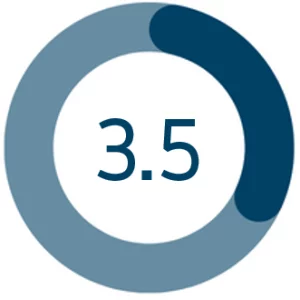
Language | Score: 3
Religion | Score: 4
Economy | Score: 3
Livelihood | Score: 4
Discrimination happens on the grounds of racial origin, ethnicity, religion and gender. All civil wars in Sudan since 1955 have been fought on the grounds that discrimination is practiced against some segments of the society. Even when these wars ended through negotiations, as happened in 1972, 2005, 2006 and 2011, central governments have reneged on their commitments to undertake necessary reforms, which have undermined the realization of economic and social rights for many groups. A key issue here is that what has been agreed upon is not implemented, and, at a general level, policies are not implemented.
Policy implementation is challenged by the existing culture, while those involved in policy implementation do not get the necessary training. An example from the primary education policy showcases the exclusion of pastoralists and farmers, or at least, the obstacles of implementing the fair primary education policy all over Sudan. In areas affected by the conflict, Darfur, for example, many children are left out of schooling either because of cultural barriers among the nomad pastoralists or because of the lack of schools. Also, many ethnic groups prefer to marry girls at early ages; many reports show the high rate of child marriage in Sudan (according to the child marriage data portal, in 2014, 34.2% of girls younger than 15 were married.) . These factors negatively influence groups’ access to education on top of the structural challenges, including lack of funding and lack of training for teachers. A 2022 report by UNICEF Sudan shows, for example, that in East Darfur, only 52.9 percent of girls and 52.6 percent of boys were enrolled in schools, while about 207,376 children are not getting an education. The UNICEF report mentions that most of these children were either nomads, conflict affected, or were from refugee camps. The report cited a local education officer, who stated that “In East Darfur, we have people with nomadic lifestyle and socially, many communities do not want to send their children to school or keep them in school because it is expensive. It costs five cattle heads to send a child to school, this is how it is measured by the community. We need to make education attractive and work on the mindset,” said Ali Ahmed, the head of the Adults and Adolescent’s Unit at the Ministry of Education and Guidance in East Darfur state.” In a 2018 report, UNESCO mentioned that there is a challenge of co-ordination between entities such as the Ministry of Education and teacher training centres. It also stated that policies are not properly implemented because of lack of funding and lack of political will.
A major policy problem when it comes to pluralism in Sudan is that successive governments adopted the slogan of “unity in conformity” instead of “unity in diversity.”
The same UNESCO report, for example, noted that the more there is a linguistic gap between the spoken language at home and the ones in schools, the more challenges there are for education. Thus, the policy of teaching in the Arabic language also renders children and groups with mother tongues other than Arabic with fewer opportunities for education. Hence, the issue here might not be the existence and implementation of the policy but rather the wider political project implemented. Even the groups that speak Arabic face challenges because their daily interaction differs from that used in schools. Normally, people would use vernacular forms that significantly differ from the official Arabic language, which is said to negatively influence adult classes in some areas.
A major policy problem when it comes to pluralism in Sudan is that successive governments adopted the slogan of “unity in conformity” instead of “unity in diversity.” This is apparent in imposing Arabic and projecting Islam as a sole religion. Furthermore, on religious exclusion and policy implementation, the transitional government, for example, approved laws allowing non-Muslim banking to operate, as well as lifting the penalties on alcohol consumption for non-Muslims. These policies were promising; however, they were not applied. There are many reasons for this non-application, among which is the 2021 coup and the resulting declared state of emergency. One of the major problems is the absence of the rule of law brought about and propagated by the Islamists’ long and corrupt rule.
When it comes to the economic diversity type, policies are also rendered weak in implementation. The law reforms on prostitution, for example, are said to “criminalize the poor” rather than helping them, according to scholar Magdi el-Gizouli in an interview with DW. He noted, “If you’re a well-off client, who drives a big car and has a nice apartment, the law will not apply to you,” as the law criminalized sex work only in brothels and similar places.
Similarly, the reform in criminalizing FGM might criminalize the mothers and midwives, who are among the poor populations. According to el-Gizouli, law enforcement in this regard is not effective and does not work in fighting such a cultural practice. Policy implementation is thus challenged by cultural barriers as well as by a lack of clarity in the policies themselves.
Lack of implementation of reforms means that the situation of discrimination remains the same and more so when it comes to the military, security services and the police whose members act with impunity.
Furthermore, lack of accountability and the immunity many officials enjoy (e.g., the army, RSF and police) also makes laws vulnerable and can be easily overlooked. This is relevant when looking at the abolishing of the Public Order Act (1991) that was repealed with the legal reforms in 2020. Despite the removal of the law that was long used against women and against the poor population (e.g., those working in the informal sector), the public order police continued to work against the law of social security, which also monitors people’s public and private behaviour.
None of the amendments taken up by the transitional government were fully realized. The bodies entrusted with implementing these reforms have either not been created or have not been fully activated, as some reforms have simply been ignored by the army and security forces. For example, the response of the security forces to the Public Prosecution Office regarding the lifting of immunities or co-operation in providing evidence related to grave violations by the military or security forces under the transitional government remained low, including violations related to the dispersal of the General Command sit-in massacre. Lack of implementation of reforms means that the situation of discrimination remains the same and more so when it comes to the military, security services and the police whose members act with impunity. This affects all diversity types in the country.
5. Data Collection
Average Score:4
Language | Score: 3
Religion | Score: 5
Economy | Score: 5
Livelihood | Score: 4
Sudan faces a serious challenge with data collection in terms of the quality of available data, the accessibility of the data and its availability. There are few governmental offices for data provision in addition to public university libraries that are only accessible to students. The main data centres are the Central Bureau of Statistics (CBS), the Ministry of Health (via its household survey) and local administrative units in neighbourhoods and localities. These units do not give any data without permission from their higher management, and one must have an official affiliation with another institute. In short, there must be proof that the data will be used with reasonable justification before permission is granted. However, the practices for data collection, particularly demographic data, are obtained from UN agencies, such as the UN Development Programme (UNDP) and UN Population Fund (UNFPA), and international development organizations, including the World Bank. The existing data is, in most cases, confined to the urban areas, and little, if any, is available for the countryside. There is also lack of inclusion when it comes to data collection. And there is also discrimination when it comes to accessing data.
There are no accurate demographic data for Sudan. Previous censuses are widely regarded as poor quality because data is only collected in Arabic. However, there are more than 500 ethnic groups who speak more than 400 languages within Sudan. These languages include Arabic (official), Nubian and more than 100 diverse dialects, which include Nilotic, Nilotic Hamitic and Niger-Kordofanian, especially in Darfur, the Nuba Mountains and parts of the east. The use of only Arabic as a data collection language is problematic as it disqualifies those for whom Arabic is not their mother tongue, and the data collected will not accurately represent their reality. This also means that there is no quality data on group inequality.
The CBS supervises many data-collection projects and reports, including: the Sudan Family Health Survey 2006; the 2008 Population and Housing Census (the fifth such census); the National Baseline Household Survey 2009; the national survey of information technology, communications and postal services for the household and institutional sectors 2016; and Sudan’s report on the Millennium Development Goals 2012. These surveys generally take place in partnership and in cooperation with UNDP, UNFPA, UNICEF and the Food and Agriculture Organization.
Sudan lacks periodic and continuous updating of national data and indicators for the categories and vocabulary of Sudanese society, as seen in critical sectors like agriculture.
Sudan lacks periodic and continuous updating of national data and indicators for the categories and vocabulary of Sudanese society, as seen in critical sectors like agriculture. This is in contrast to statistics and data provided by UN agencies, non-governmental organizations (NGOs) and civil society.
The need for the Government of Sudan to commit to updating its national information, including statistical data, was mentioned in a number of government reports, and highlights the progress made in allocating federal and local resources to sectors such as health, education, social security and the implementation of related rights.
For research purposes, one needs permission from local authorities to collect any data. This is true even for urban and central areas in Khartoum as well as in peripheral areas. However, in peripheral areas, authorities have implemented much more monitoring and control. On top of this, all refugee camps and internal displacement camps require permission from the National Intelligence and Security Service (NISS) and from local authorities to enter them.
The National Records Office in Khartoum also requires permission to access it, along with a letter of introduction for any data to be collected. It does not allow any sort of photocopying for old newspapers or documents. There are exclusionary practices in both data collection, and dispensation and discrimination ensue as a result. The ultimate result is that there is no reliable data on group inequality.
6. Claims-Making and Contestation
Average Score:4.5 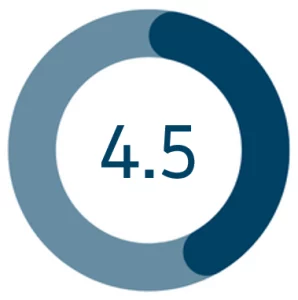
Language | Score: 5
Religion | Score: 5
Economy | Score: 4
Livelihood | Score: 4
The very fact that Sudan has been in a state of several protracted conflicts since 1956 indicates that groups are not able to make claims and engage in peaceful contestation to advance their interests. This has been the case because civil and political rights face significant legal restrictions such that many groups are subject to restrictive controls. The state has historically looked at peripheral areas with an eye of hostility, and the dominant elites in the centre suppress people at the periphery. Groups find it difficult to contest in front of state authorities due to serious threats from the state against these groups. The findings from the Global Centre for Pluralism’s Pluralism Perception Survey, conducted in partnership with Afrobarometer during 2022 and early 2023, prior to the conflict erupting, indicated that 58 per cent of respondents would never attend a protest (rural women being most likely to say this).
Peaceful protests are more common in urban centers than in other areas and this might be related to earlier peaceful protests that overthrew two presidents: Ibrahim Abboud in 1964 and Jafa’ar Nimeiri in 1985. Additionally attending protests means jeopardizing one’s safety, as the former regime used extreme violence against protests and against political activities. During the 1990s, the regime had what is known locally as Ghost houses, where political activists would be detained and subjected to various sorts of torture. Thus, such practices of violence against people certainly prevent them from joining protests, unless it is mass protests such as in 2018. According to the Centre’s Pluralism Perceptions Survey, nearly 23 percent of respondents mentioned that they have not joined others in raising issues but would do if given the chance. Thus, people are willing to join and participate in democratic processes if the circumstances are available to them.
Often people at the periphery resort to violence to express their concerns or grievances. While this has been the case for a long time, it became clearer during the years that followed the political change in 2019. This is evident first in the ethnic/tribal contestations via blocking main goods roads outside of Khartoum and/or blocking the road to and from the port in eastern Sudan. For instance, in August 2022, citizens in Kordofan closed the national road linking the states of Kordofan and Darfur to the capital, Khartoum, and disrupted official work in some localities (i.e., administration units). They also prevented government collection in crop markets and closed the Zarqa Um Hadid oil field. These events took place as citizens called for the demarcation of a new state of Central Kordofan. Also of note, in 2021, the state of West Kordofan witnessed fierce fighting between the Hamar and Misseriya ethnic groups due to a dispute over agricultural lands that left large numbers of dead and wounded. Thus, the issue of states’ demarcation is connected to both livelihood styles as well as ethnic backgrounds. People can and do organize themselves to contest the state and demand certain things for their communities; however, these demands are met by state violence and other means of tribal/ethnic conflicts. The type of contestation also differed after the December 2018 uprisings particularly in Darfur (a population of farmers and pastoralists) where people started to organize sit-ins in localities including Nertiti, El Geneina and Boram.
People can and do organize themselves to contest the state and demand certain things for their communities; however, these demands are met by state violence.
Regarding the religious groups’ ability to contest, among the Muslims themselves, the majority remains conservative. For example, after the uprising, there was an attempt to reform the school curricula by the former director of the National Center for Curricula and Educational Research, Omer El Garai. The reform attempt faced a social and media campaign, and he had to resign in early 2021. The campaign against him reached a point in which some sheikhs in mosques denounced him as an infidel.
While religious groups faced social pressures against their organization, the groups from the informal economy sector did not face such pressure. One example is the organization of “the Committee of the Industrial Zone in Khartoum North ,” an organization consisting of workers (craftsmen) and the owners of labour workshops (mechanics and other workers). They organized during a continuous demand movement toward the operation and maintenance of the “Workers’ Hospital for Occupational Health in the Industrial Zone.” The movement contributed to the establishment of a nucleus of awareness and a trade union movement among the craftsmen sectors in the capital, Khartoum, and in Khartoum North, in particular. This developed into a grassroots movement toward labour and worker issues, and having their rights guaranteed under Sudan’s international obligations and the charters of the ILO.
Linguistically, and as a result of the “unity in conformity” policy, people are not allowed to make claims to preserve their own languages. Thus, the ability of non-Arabic speaking communities, in northern Sudan (Nubian region), is still suffering because of language policies that do not consider either Sudan’s duties or its obligations under international covenants and its national obligations. The Nubian language is considered one of the endangered languages. Also, the Zaghawa language is officially neglected at the level of state policies in education, media and linguistic equality.
On top of the diversity types adopted for this report, it is important to note that, after the coup, large numbers of revolutionaries (from all groups of society) are unable to contest peacefully. The protestors are faced with a great deal of state violence, killing, disappearances and imprisonment.
Women were also an integral part of the political process during the uprisings. Women represented themselves via not only joining the protests but also through supporting the uprisings within their social media groups. This is on top of the role women played within the armed movements despite the scarcity of documentation on that front. Politician and researcher Ihsan Abdel Aziz highlighted the experience of the women fighters on the borders of eastern Sudan and explained the type of ethnic, class and sectarian discrimination they suffered. The role of women and their participation in the uprisings was less appreciated within the transitional government, despite Prime Minister Hamdok’s efforts. After the coup, many women faced rape as a weapon against them to stop them from protesting, and they encountered various incidents of harassment, even from their fellow male protestors.

III. Leadership for Pluralism
Pluralism requires leadership from all sectors in society, including non-state actors that may adopt policies and practices that affect groups’ ability to fully participate in society. This indicator assesses four critical non-state actors.
7. Political Parties
Average Score:4
Language | Score: 3
Religion | Score: 3
Economy | Score: 3
Livelihood | Score: 6
Most Sudanese political parties put forward the principles of equal citizenship, non-discrimination and respect for human rights, rejecting and condemning racism and ethnic or religious hatred. They do this in the face of a legacy of traditions and values of a society in which tribal formations are still in control, and where traditional cultural values still distinguish between citizens on the basis of ethnic, tribal or regional origin. The Sudanese Congress Party (SCP) took the initiative in 2021 to organize a campaign for the adoption of a national law against racial discrimination, alongside civil society initiatives such as the Sudanese Solidarity Organization Against Racial Discrimination (TASAMI). This effort advocated for the draft law against racial discrimination, and the Sudanese Human Rights Initiative which conducted multiple activities before and during the transitional period to advocate for an anti-discrimination law.
As of 2018, the Political Parties Affairs Council listed about 92 registered political parties, according to the US Department of State Human Rights Report on Sudan. The political parties in Sudan are either sectarian, regionally associated, religious-based or ideological. The two biggest and oldest opposition political parties are sectarian, that is, they are associated with Sufi orders, and traditionally, they are also regional. The National Umma Party is known to have followers in areas of western Sudan, and it was central to the development of the historical Mahdist movement. The Democratic Unionist Party is associated with areas in eastern Sudan and has roots in anti-colonial movements. Thus, both parties, regardless of their engagements with colonial structures and elites’ politics in Khartoum, do not exclude members based on race, religion, ethnic background or livelihood style. However, the question of parties’ internal structure and party leadership is very elitist. Both parties are led through family lines, and the rest of the members from outside the families can be deputies or occupy marginal positions and play marginal roles. It is important to note that neither of the two parties, despite being active in pastoralists and farmers areas, have had leadership from there. The internal structures are elitist and based on education as well. For more than 70 years, only one woman has ascended to the position of party leader in these two sectarian political parties.
The main two political parties that are ideological are the Communist Party and the National Congress Party (NCP). The Communist party claims to work for fair economic policies where all people can benefit from the wealth in the country. Thus, it takes into consideration the poor and those who work within the informal sector of the economy when it comes to its programs. The party says it is against policies of privatization and World Bank neo-liberal recommendations. The Communist Party opposed the transitional government and left the FFC coalition in 2019. It is worth mentioning that the party has not had leadership from the impoverished population since its foundation in 1946. Rather, its leadership is comprised of elites from Khartoum. The Communist Party engages mostly in urban politics.
The NCP is the second ideological party, and it has transformed itself and changed names many times. In 1999, the NCP split, and the Popular Congress Party was established. These two parties are Islamic-based and use religion to control the state. The two parties only promote pluralism under Sharia law, that is, non-Muslims are effectively considered second-class citizens.
The political parties in Sudan are either sectarian, regionally associated, religious-based or ideological.
Another party that advocates for inclusion of the marginalized is the SCP. It was established based on cultural marginalization and worked for inclusion. The party is described as centre-left and calls for the separation of religion and state. Separation between religion and state works in favour of religious groups’ inclusion and the recognition of their rights. Despite this, its leadership did not include leaders other than Muslims from Northern Central ethnic groups. The practices of the party, however, incorporated the inclusion of members from marginalized ethnic groups from Darfur, and it gained popularity there too. With regard to the inclusion of religious groups other than Muslims, there is no regulation in any party against this; however, the leadership always remained with Muslims. Few parties have had Christian leadership; an example is the National Sudanese Party, led by Father Philip Gaboush.
In addition to these political parties, there are many armed movements who claim to be working for the marginalized in Darfur, Blue Nile and other areas. There are armed movements; chief among which is the SPLM-N, with leadership from the Nuba Mountains and Blue Nile, representing a population who are both pastoralists and farmers. Most importantly, the SPLM-N’s vision for a “New Sudan,” where nodes of power are reconfigured for all groups, not just those in Nuba Mountains and Blue Nile for example, reflects an inclusive vision. Also, the SLM is active in Darfur and works for the inclusion of Darfuri people in the power structure. The movement comprised of the Fur, Masalit and Zaghawa; three ethnic groups who do not use Arabic as a mother tongue. The leadership of the movement is from these ethnic groups and as such, represents the linguistically and otherwise marginalized groups. These groups and movements do not address types of marginalization separately, as such they work for more than one diversity type.
There are also parties that are regionally based and advocate for certain ethnic groups’ inclusion, including the recognition of local languages. For example, the Beja Congress in eastern Sudan also enjoys leadership from the Beja ethnic group. Again, here it is unclear how internal politics are run and who gets to be in leadership positions.
Overall, some political parties promote respect for diversity, but many of these political parties lack internal democracy and are indifferent to diversity issues. The representation of women across the different political parties is weak, and none of the mentioned political parties have had a woman as its chairperson.
8. News Media
Average Score: 3.5
A. Representation | Score: 3.5
Language | Score: 3
Religion | Score: 3
Economy | Score: 3
Livelihood | Score: 5
B. Prominence of Pluralistic Actors | Score: 3.5
Language | Score: 3
Religion | Score: 3
Economy | Score: 3
Livelihood | Score: 5
The state controls most of the news media, and so there is little or no room for diverse voices. Also, there is a strong Arabic/Muslim bias in existing news media that is actively exclusionary of minority voices. Recruitment to the state-owned media outlets is a monopoly for central Sudan and Arab-speaking groups. Those who appear on TV as news anchors represent certain categories such as having a lighter skin tone. Television stations mostly host programs in Arabic. In recent years, a few private TV and radio stations appeared, but they are no different: the same structural problems are present.
When the state directly and indirectly owns media houses, it leaves media exclusively representative of the state’s vision. Thus, over the years, the local public media houses ignored the war in Darfur, muting voices of all diversity types. The official language is Arabic language; television airs the Muslim prayer times, and most of the images reflect a sedentary lifestyle for mostly ethnic groups from North and Central Sudan. But the problem is not only related to the bias of TV and radio programs, the bias is also prevalent in other media outlets such as newspapers. Like TV and radio, newspapers reflect the mainstream thinking and is uninterested in the problems and concerns of the peripheries. The atrocities that took place in Darfur between 2003 and 2018 were rarely mentioned in the newspapers. In addition to self-censorship, there is state control of newspapers, and newspapers that are critical of government policies are either shut down or commandeered. The National Congress Party (NCP) was in a state of high alert, as it quickly—at that time—imprisoned activists and imposed censorship on journalists, flooding the airwaves with propaganda campaigns revolving around a crisis in Darfur and a war in the south.
During 2018, the restrictions imposed on the civilian sphere in Sudan were increasing, as journalists, human rights defenders and political activists were arrested, newspapers closed and confiscated. Travel bans were imposed on journalists as well as the revocation of licenses granted to them by the National Council for Press and Publication (which is directly under the supervision of the President of the Republic), and the NISS imposed restrictions on public gatherings. The state of media freedoms and rights witnessed a sharp decline following the dissolution of the transitional government after the coup on October 25th, 2021, and the complete blocking of the internet in the country. The subsequent periods witnessed restrictive internet access, blocking of social media platforms, and attacks and arrests of journalists and media activists. This has deepened inequity and discrimination in the field of media and contributed to the low percentage of women accessing the internet regularly (48 percent) compared to men (58 percent) , according to a survey conducted by Afrobarometer in 2018. Freedom House’s Freedom on the Net 2022 report, Countering an Authoritarian Overhaul of the Internet mentioned that the freedom of internet in Sudan has decreased by four points after the 2021 coup and digital repression highly increased.
The state of media freedoms and rights witnessed a sharp decline following the dissolution of the transitional government after the coup on October 25th, 2021, and the complete blocking of the internet in the country.
The Ministry of Information manages television and radio directly. It presents its programs in Arabic, in a complete absence of cultural and religious equality in the program map, in addition to private digital (FM) radio programming which mostly offer a variety of programs or specialized religious (Islamic) radio programming. There are several private satellite channels, and there are TV and radio channels in the different states, but they are subject to the authority of the governor and the political leadership of the region’s ruling party, as well as regional radio stations that follow the same approach in tracking and covering the governmental and political activities of the ruling party in the form of direct political ‘propaganda.’ At the level of alternative media, we find Radio Dabanga, which broadcasts from the Netherlands to listeners in Darfur, using a number of national dialects of Darfur nationalities, Arabic and English via short wave radio. Due to general economic hardship, many electronic newspapers were active during and after 2018, because of the economy and due to the restrictions imposed on traditional media and censorship.
Global internet freedom declined for the 12th consecutive year in 2022 as governments worked to dismantle the global internet to create more controllable online spaces. This global attack was reflected on wider freedoms being controlled by states, such as Sudan, where it witnessed the most severe decline in internet freedom in the world.
The political economy of the media sector suffered during the transitional period under two governments formed by Prime Minister Hamdok; that is, from the persistence of structural problems related to the orientation of the al-Bashir regime and its policies toward freedoms and media rights. This included the persistence of economic inequality and control of the political-business elite over private media ownership, in a way that “distort[ed] the possibilities of equitable and sustainable development,” as noted in a London School of Economics Conflict Research Programme report that discussed these issues.
The media sector in Sudan includes the official media (state-owned), the screen, audio, print, the new media and private media (commercial/civil), under the umbrella of censorship laws. The transitional government’s Ministry of Information, in co-operation with UNESCO, prepared three media laws on August 2nd, 2021:
- The Press Publications Law of 2021
- The Radio and Television Law of 2021
- The Right to Information Law of 2021
The October 25th, 2021 coup cut off the opportunity for public and open discussions of these laws to pass them. This became possible through NISS’s ownership of the international press and major television stations. Also, the use of propaganda campaigns and dissemination of misinformation in a calculated manner became deliberate and widely practiced after 2005.
Since the secession of South Sudan in 2011, Sudan has witnessed a decline in the level of Sudan’s obligations under the International Convention on the Elimination of All Forms of Racial Discrimination, which was adopted in 1965 and came into force in 1969. The ICERD constitutes the normative basis on which all international efforts to eliminate racial discrimination are based, especially (Article 4). Hate speech expanded during the years that followed South Sudan’s secession. Various forms of hate speech increased during the wars that erupted in Southern Kordofan/Nuba Mountains, Blue Nile, eastern Sudan and the Darfur region, raging since 2003. This occurred alongside the attack on freedoms and democracy on social media. Nor did the traditional media escape the trap of spreading hate speech. The absence of the rule of law and, consequently, the absence or weakness of constitutional protections for human rights, also helped worsen the situation. This trend continued whether with regard to guaranteeing the rights themselves (i.e., equality and non-discrimination) or the availability of mechanisms to ensure their protection, non-violation and the independence of the judiciary, until the fall of the al-Bashir regime in April 2019.
In such an atmosphere, and regarding the diversity types we are exhibiting here, the media sphere does not reflect a diverse country. When it comes to religion, all religious programs on national television were about and for Muslims, because the previous government wanted a total Muslim country. However, during the transitional government, television aired Sunday prayers for the Christian population.
As for language plurality, the media uses Arabic as a main communication language. It does not use other languages or even dialects of Arabic from other ethnic groups that are not from North and Central Sudan. On top of this, the media presented comedy shows that involved mocking other dialects and the groups that speak them for a long time. The farmers and pastoralists’ issues are rarely reflected on national television. Both groups are either represented as a source of income (farmers) with Sudan being presented as rich in agriculture fields, or they are represented as a symbol of remote folkloric cultures (mostly pastoralists) in programs about Sudan as a big country.
Those in the informal sector of the economy are rarely represented given that (especially in Khartoum) most of them are displaced women.
National television also rarely conveys the economic disparities of groups. The representation of poverty is often depicted within crime and not within a rights perspective. Also, during serious economic hardships in the country, television would present ministers stating inaccurate facts about the economy, especially during the former regime. In other cases, television would not mention the suffering of citizens at all. Those in the informal sector of the economy are rarely represented given that (especially in Khartoum) most of them are displaced women, and they fall behind the image the state wants to emphasize.
The war of April 15th, 2023, made things worse as the media pushed propaganda that fanned the flames of war. The African Digital Democracy Observatory (ADDO) report about war propaganda in Sudan explained that National television was involved in the spread of false information. In January 2021 for example, Sudan TV showed a clip exhibiting that the Sudanese Army have seized a shipment of drones that was on its way to the Rapid Support Forces. Later on, it was discovered that the clip was taken in another country and has no connections to Sudan at all.
It is worth mentioning that according to Reporters Without Borders, the war has resulted in the exile of 400 Sudanese journalists to neighbouring countries living under challenging conditions economically and politically. Media outlets that started to work from exile are facing harassment, threats and raiding of offices after the Sudanese Army established allies with host countries’ governments according to a report by Reporters Without Borders. This is on top of large campaigns, particularly online, of publishing false information and war propaganda about the war situation according to ADDO and Reporters Without Borders.
The war propaganda campaigns included hate speech and racist content against certain tribes in western Sudan according to the ADDO report. The online platforms such as social media are frequently used by the Rapid Support Forces and the Sudanese Armed Forces in what has been termed ‘digital warfare.’ Within these platforms, each party works through campaigns to control the narrative of the war and gain legitimacy. This is further emphasized by the algorithm bias that tends to show users the content which aligns with their views, thus, consolidating their pre-existing biases and opinions. Thus, social media platforms work in agitating the atmosphere of war in Sudan, particularly with the lack of resources and the challenges that journalists are facing, creating a space for false and inflammatory information to spread.
9. Civil Society
Average Score:4
Language | Score: 4
Religion | Score: 5
Economy | Score: 5
Livelihood | Score: 3
Civil society sector in Sudan is one of the most vibrant and diverse spaces, despite the internal challenges and limitations explained in the country profile. According to a report by the International Institute for Democracy and Electoral Assistance (IDEA) in 2014, there were 15000 organizations registered under the Humanitarian Aid Commission (HAC) with 4000 working in Khartoum. In addition to about 400-500 organizations registered as cultural associations. According to the report, despite this large number of organizations, only a fraction of about ten percent were actually active.
Before delving into the representation and leadership question of the organizations, it is important to provide context for the civil society working atmosphere. The NCP was strict with civil society and controlled their work through various forms such as forced registration within HAC. HAC, for a long time, worked not only to regulate the civil society sector but also to politically monitor it. Many NGOs were shut down for their work in democracy and civic education. In 2009, for example, the former president expelled some 13 international aid organizations, accusing them of espionage and sabotaging Sudan’s sovereignty. Then, in 2012, about four organizations were banned from working in Eastern Sudan. The regime created an atmosphere in which it was difficult for organizations to function. Despite these restrictions and hostile environment, civil society remained diverse, especially national organizations, unions and associations.
While there are no accurate data about numbers of organizations and associations with specializations and a typology of ethnic groups, the observer’s eye is still relevant. In Khartoum, for example, and regarding the economic diversity type, few organizations support the informal sector. Among those that do are the Strategic Initiative for Women in the Horn of Africa, which supported women tea and food sellers in creating their own union and co-operative that negotiates with the state around their needs and the challenges they face. Many of these women come from backgrounds of internal displacement and from ethnically marginalized groups (Darfur, Nuba Mountains and Blue Nile). Another organization, Nuba Mountains Women for Education and Development, works primarily with groups from the Nuba Mountains who have been displaced, as well as those in Kordofan. They are also active in advocating for Sudan’s democratic future. The head of this organization is a woman from Nuba Mountains herself.
It is difficult to pinpoint the organizations working directly on livelihood styles. However, there are some organizations that are active in Darfur, for example, and that provide services as well as civil education programs for the population there who come from both the pastoralist and farmer backgrounds. One of these organizations is Sudan Social Development Organization (SUDO). The organization was shut down in 2009 by the previous regime and reopened again within the transitional period. SUDO is active in Kordofan and Darfur in peacebuilding and human rights. Similarly, the international Life & Peace Institute’s (LPI) office in Sudan works on areas of peacemaking among groups in conflict, who are pastoralists and farmers. Similarly, Practical Action Sudan works in peacebuilding and on services and environmental issues. Practical Action is also active in the Blue Nile and Kassala regions. Both LPI and Practical Action have a fully Sudanese leadership and staff.
Religion is also recognized within civil society, though indirectly. There are some organizations that work for freedom of belief and human rights protection. Among these organizations is the Sudanese Human Rights Initiative (SHRI). SHRI was very active, in particular, during the transitional period in working for the inclusion of religious minorities and held a series of activities in that regard. On top of that, the Coptic Christians, for example, run their own civil activities within the churches; however, they work in some isolation from the broader civil society. In addition to this, the Council of Churches is very active in pointing out the abuses against religious groups and against churches. In July 2022, the Council condemned abuses against Christians and mentioned that the restrictions returned after the coup. The Council remains one of the bodies that are very active on religious issues in Sudan.
There are several organizations and initiatives that are active in preserving their folk languages. Among these is the Moro Language Project that seeks to document and preserve the language.
The issue of languages, particularly ethnic groups and tribal languages, has less attention within civil society. Yet, there are several organizations and initiatives that are active in preserving their folk languages. Among these is the Moro Language Project that seeks to document and preserve the language. Moro, from the Nuba Mountains, is a threatened language, and the project holds conferences and papers about the Nuba languages in general. Other sets of languages are also threatened; however, there are no organizations working on these languages, though there are activists and researchers, such as those working on the group of Nubian languages in the Northern region of Sudan. There are also some groups working against the dams and the forced migration of ethnic groups in North Sudan, such as the Manasir areas.
Most of the ethnic groups in Sudan have their own initiatives and co-operate on development in their areas. This is particularly evident in universities in Khartoum where students come from other cities to study, but the government(s) provide minimum-to-no support at all for those students. In these cases, the ethnic and tribal initiatives and associations support the students during their studies.
Despite the vibrant civil society and its openness to adopt inclusivity in their work, it still suffers from latent forms of discrimination. Most of the people employed by the organizations come from relatively educated backgrounds and were able to get higher education. While those who belong to displaced families or are more affected by poverty cannot afford a quality education, and thus, they are left out of the civil society employment market.
Having delineated the various types of diversity in relation to civil society, it is imperative to acknowledge the internal challenges it faces. As previously stated, civil society organizations, specifically NGOs, have been characterized as Khartoum-centric due to the concentration of NGOs in Khartoum and the focus of their projects in that city. It has also been posited that the reliance on external donors can impede the capacity of NGOs to implement their own priorities. A further issue is the absence of contextualization and the use of local methodologies that are pertinent to the situation, as opposed to the importing of methodologies that are not aligned with the local context. In addition, a significant number of NGOs are lacking in the development of long-term strategic plans and visions. In the context of the constrained political discourse in Khartoum, NGOs have been subject to the influence of political actors and parties, which has led to a polarization of these entities within the political landscape. Furthermore, a number of young people indicated that they had been excluded from leadership roles within civil society. They also expressed discontent with the elitist approach exhibited by the leadership of NGOs. Although these organizations work in a restrictive environment, civil society needs an intersectional lens within its structures to achieve inclusiveness.
In addition to the aforementioned challenges, the diasporic civil society sector is confronted with the issue of polarization among the warring parties’ allies. Some organizations have been accused of siding with one party, with some activists being accused of supporting the RSF, which further exacerbates exclusion patterns. This ideological rift has given rise to latent regionalism, a phenomenon that predated the war. The emergence of these exclusionary notions is attributable, at least in part, to the prevailing political polarization. However, it is also important to consider the role of Khartoum centrism in this context. For instance, in Kampala, activists displaced from regions other than Khartoum have reported experiencing exclusion within NGO spaces in Kampala. This notion has been expressed on numerous occasions in the period preceding war, and it has been employed as a basis for criticism of the customary practices of NGOs.
Having briefly mentioned some of the challenges faced by activists and NGOs in exile, it is important to note that these notions are a continuation of Khartoum-influenced patterns. Khartoum has historically dominated and exerted its authority over other states, leveraging its concentration of services, its capacity for power, and the majority of the nation’s economic revenues. Furthermore, a considerable number of individuals in Sudan depend on their networks for social and political capital in a state that has proven incapable of providing for its citizens. Consequently, it is anticipated that during periods of war and resource scarcity, individuals would prioritize the maintenance of their networks. This is undoubtedly an instance of exclusion. Nevertheless, in the context of a prevailing atmosphere characterized by polarization, fear, and insecurities, maintaining networks for resources functions as a coping mechanism.
10. Private Sector
Average Score:3 
Language | Score: 3
Religion | Score: 3
Economy | Score: 3
Livelihood | Score: 3
Sudan has seen an increased rush toward the privatization of goods and services since 1993. The policies of liberalization and privatization adopted during the early 1990s were encouraging for the private sector although they led to the pauperization of the middle class and impoverishment of poorer segments of society. But, the way in which privatization policies were introduced and implemented has not contributed to the creation of a healthy and vibrant private sector. It can hardly be said that Sudan has a healthy and competitive private sector. Many of the privatized institutions were sold to certain individuals that were deemed supportive of the Islamists during their early days. At the same time, some well-established private sector actors were blocked or forced to leave the market on the pretext that they did not support the orientation of the regime.
The private sector in Sudan, despite governmental support, is marked by the domination of certain groups. Among these groups are those from north and central Sudan who speak Arabic as well as those who allied with the previous regime. The sector has become more and more controlled by the military and their investments, even though the revenues of these investments do not reach the Ministry of Finance. While the economic policy is one of encouraging the private sector, in reality the government is competing with the private sector through the involvement of the military and security services in economic activities.
The sector has become more and more controlled by the military and their investments, even though the revenues of these investments do not reach the Ministry of Finance.
On the level of religious diversity, the new constitutional amendments opened the door for people of religions other than Islam to demand economic participation. The Minister of Religious Affairs and Endowments returned church properties and called on the minorities who left Sudan during the NCP’s rule because of religious and political harassment and the confiscation of property, lands and movables, to return to the country. Some commercial activities, such as trading in alcoholic beverages, remained prohibited by law despite the amendments made by the Ministry of Justice and the transitional government to basic rights. Sudan was, for many years, on the U.S. Commission for International Religious Freedoms list of ‘Countries of Particular Concern’ with regard to religious freedoms and related rights. Also, HAC was supervising NGOs and non-profit organizations (NPOs). Religious groups that participate in humanitarian or development activities were required to register as NGOs and NPOs. Only registered religious groups are entitled to apply for administrative benefits, such as land ownership, tax exemptions or work permits. Religious affairs and endowments with state government agencies grant permission or permits to establish religious buildings, places of worship or any other institutions (educational and commercial) affiliated with them. Such regulations limited the participation of non-Muslim groups in the private sector. Despite this, many Copts own their own small businesses; this remains an individual effort.
No data is available to get information on the actual level of participation of non-Muslims within the private sector as employees or as investors. Sudan enjoys considerable economic opportunities, especially after removing its name from the list of countries supporting terrorism, as well as its membership in the Common Market for Eastern and Southern Africa. Despite this, the internal distribution of private sector activities is unequal. Most of the big companies are in Khartoum and Port Sudan, while other states are left behind. This also limits the ability for an inclusive private sector and leaves some people behind.
When it comes to plurality of investments between farming and supporting pastoralists, the private sector is also lagging. The two sectors are controlled primarily by the state, which is active in exporting raw material instead of involving the sectors in industries. This makes Sudan rely on imports of even basic goods, with many limitations facing small businesses in farming or herding. On top of this, the informal economy is functioning outside the private sector as well as the state’s financial system. It relies mostly on small street vendors and other types of smuggled goods, which act as a parallel market. Most of those engaged in the informal sector come from ethnic and linguistic backgrounds other than Arabic and other than North and Central Sudan. For example, in Nyala, the second largest commercial city in Sudan after Khartoum, there is one of the biggest markets for smuggled goods from Chad and other countries.
Almost all big companies require fluency in English for jobs. Such a dynamic leaves large numbers of people out of this competition, Arabic-speaking and non-Arabic–speaking alike.
The private sector in Sudan, particularly big companies such as DAL Group, use English as an essential language for communication. Almost all big companies require fluency in English for jobs. Such a dynamic leaves large numbers of people out of this competition, Arabic-speaking and non-Arabic¬–speaking alike. Since the NCP’s policy in education was to use Arabic as an official language, those who are fluent in English normally come from richer family backgrounds. Only parents who can afford educating their children in private schools have children who can speak fluent English, and thus, they are the ones who mostly get the jobs.
When it comes to women’s participation in the private sector, the percentage of companies headed by women does not exceed 3 percent in Sudan, and companies whose original owners are women is 8 percent. The private sector in Sudan is diverse, but the core businesses in the sector are dominated by certain historically entrenched groups from central Sudan, where the leadership is homogeneous and does not reflect the diversity that is characteristic of Sudan.

IV. Group-based Inequalities
Around the world, inequalities and exclusions strongly correlate with markers of group difference. In this section the Monitor assesses the breadth of inequalities, their durability and the overall difference in treatment between groups.
11. Political
Average Score: 3
Language | Score: 3
Religion | Score: 3
Economy | Score: 3
Livelihood | Score: 2
The political disparities and inequalities between various groups in Sudan are embedded within the overall socio¬–cultural system. Theoretically, the various constitutions in Sudan guarantee the right of establishing a political party for everyone. However, the realities in Sudan are much more complex than constitutions. Constitutions often fail to recognize and embrace the country’s diversity by insisting on imposing language and religion (Arabic and Islam) on diverse groups that have their own languages and profess different religions than that declared by the state. There is no religious or linguistic tolerance in Sudan.
Among the religious groups, we find that, for example, the Republican Brotherhood, a religious faction, were banned from forming a political party until 2019. The same party returned to the circle of exclusion and targeting based on ‘political opinion’ and ‘intellectual orientation,’ against the backdrop of the party’s criticism of the political situation of the transitional government as a “state without a constitution” and criticism of the peace agreement that was signed in Juba as being “unconstitutional,” as well as the party’s bold stance toward relations with Israel.
Lack of political representation and/or discrimination are entrenched in Sudan. People rarely get the chance to participate in political decisions relating to their lives and communities. For instance, findings from the Centre’s Pluralism Perceptions Survey show how a third of respondents (32.5 percent) would attend a community meeting if given the chance, signaling the lack of opportunities for increased political participation for those interested in doing so.
The SPA included youth vernacular (street language) as a medium of communication but also as an inclusion tool. It is important to mention that the language here represented youth and is known as Randowk.
Grievances about these types of inequalities emerged as early as the 1950s and 1960s by groups in Darfur and Eastern Sudan. The Beja Front was established in 1958 and the Darfur Development Front in 1964. Both demanded equality in political representation and development projects. But since independence and up to the present, successive governments have failed to address these grievances. When the transitional government signed the peace agreement with a group of Eastern Sudanese (from the Liberation and Justice Movement), the Hadendowa tribes contested the move and mentioned that the front does not represent all of East Sudan. The Hadendowa are a mainly pastoral ethnic group, while the peace agreement was signed with the Beni-Amer, with whom the Hadendowa are in an historical disagreement.
On another level of language as a diversity type and political participation and representation, the Sudanese Professionals Association (SPA) made a positive step. The SPA included youth vernacular (street language) as a medium of communication but also as an inclusion tool. It is important to mention that the language here represented youth and is known as Randowk. It is also the language used and initiated in Khartoum shantytowns. As Bakhit explains, there is a “clear disconnect between peripheral areas or shanty towns and ‘upscale’ neighborhoods, whether they are popular, middle or upper-middle-class residential areas.” The majority of residents within these areas are internal migrants who are seen as less than citizens. They mostly see themselves as coming from African origins, while other ethnic groups see themselves as coming from Arabic backgrounds that are superior socially and politically.
Another case of inequality and lack of political representation is the case of Al-Kanabi, the settlements of agriculture labourers around the Gezira Scheme. These settlements have been in the area since the establishment of the Gezira Scheme in 1925 but, as of yet, are not integrated, and their inhabitants have no rights compared to other groups in the area. They suffer isolation and are deprived of the right to public services, despite their role in production and in spite of the exploitation they endure that has historically occurred since the establishment of the agricultural companies and the Gezira Scheme. They gathered under the General Conference of Al-Kanabi, established in the state of Gezira in March 2013. It included all existing entities in Al-Kanabi: youth, sheikhs, civil administration and popular committees to include all states after that. This issue is still unsettled; however, people are advocating for the cause.
Another group-based inequality relates to women. It is important to mention that women are not represented within leadership structures in all the political parties and armed groups. The exception is within the National Umma Party, in which women are found in high leadership positions. This is attributed to the family ties that govern internal party politics. All the parties have policies for women’s inclusion, however unrealized. Even during the transitional government when the FFC had a share in power women were left out of the political deal. The Constitutional Charter promised women 40 percent representation after women were active participants during the uprisings.
12. Economic
Average Score: 4
Language | Score: 4
Religion | Score: 4
Economy | Score: 4
Livelihood | Score: 3
Since independence Sudan has gone through various economic systems including, socialism and neoliberalism, and it has been described recently as kleptocracy. The economy of Sudan has been negatively influenced over the years by mismanagement, corruption, reliance on aid and loans, as well as a “consumerist mindset.” This was particularly so when in 1972 Sudan adopted an open-door policy to encourage investments. It resulted in a widening the gap between people and created two classes, the “affluent” and the “rest.”
The overall economic indicators in Sudan are the GDP rate of $52.718 million (USD), with an average GDP per capita of $1,151 (USD) and the labour force amount to 49.6 percent of the population.
The rural–urban nexus is most connected to livelihood styles (i.e., pastoralists and farmers). Sudan is challenged with unbalanced development among the various states which resulted in conflicts and high rates of displacement on top of natural crises. These factors resulted in high rates of internal migration from rural to urban centers, and high rates of internal displacement. The rural areas (home of most farmers and pastoralists) were impoverished over the years, with Khartoum being the hub of development, services, and potential economic opportunities. Thus, many people who reside in Khartoum in search of opportunities and safety, end up filling limited paying jobs, particularly within the informal sector. On top of this, economic polices over the years show an “urban bias” through provision of comparatively better “social and economic infrastructure” than in rural areas. Additionally, most of the goods that were subsidized by governments, were mainly consumed by the urban population, and are unaffordable for the urban poor.
Sudan’s economy heavily depends on the traditional sector (farming and animal husbandry), which represents the mainstay for people in the countryside. Urban areas depend on what is produced in the countryside. The agriculture sector in Sudan, despite it is importance, suffered a systematic problem of two coexisting methods of farming; one that is traditionally maintained and irrigated, and one using modern irrigation. The traditional sector was less productive and had limited access to markets, however it is the bigger sector. The modern one had more support and access to markets, even though it is smaller compared to traditional farming.
Sudan is challenged with unbalanced development among the various states which resulted in conflicts and high rates of displacement on top of natural crises.
Moreover, the traditional sector has been neglected since the exploration and export of oil in Sudan in 2000. There is an incipient industrial sector, but its contribution to the Gross National Product is not significant. The downturn of the economy started in the late 1970s and deteriorated rapidly during the reign of the Islamists (1989–2019). The secession of South Sudan in 2011 negatively affected the economy since the bulk of oil fields are in the south. The US economic sanctions that were imposed in 1993 and the resulting international isolation further damaged the economy. Austerity measures undertaken after the secession of South Sudan, particularly in 2013, led to riots in September 2013 where more than 200 protesters were believed to have been killed by the security forces. These austerity measures and the hard economic conditions contributed to the downfall of the regime in 2019.
After the political change in 2019, inflation rates continued to rise due to the depreciation of the local currency against foreign currencies. This period saw disruptions in supply baskets/chains and the continued shortage of food commodities and fuel, in addition to the loss of agricultural production due to instability and natural disasters, with a significant rise in the general level of prices. The Sudanese pound decreased by about 687.7 percent, while growth witnessed a slight improvement during 2021, amounting to 0.5 percent. This was a result of the improvement in the agricultural sector after the decline it witnessed during 2020 due to floods and locust invasions. However, it remained limited because of internal conditions, high inflation and fluctuations in exchange rates. The inflation rate increased significantly during 2021 due to the continued depreciation of the currency as a result of fluctuations in supply chains, continuous protests, food and fuel shortages due to the rise in global prices for both, and the widening of the difference between the official exchange rate and the black market.
Austerity measures, high inflation rates and COVID-19 affected vulnerable segments of society, especially workers in the informal sector of the economy. The transitional government spent 8.5 billion Sudanese pounds on supporting the informal sector and families affected by the COVID-19 closure measures in Khartoum. Despite these investments, findings from the Centre’s Pluralism Perceptions Survey indicate that nearly 54 percent of respondents in Khartoum indicated that their present living conditions were very bad compared to others. This could be due to the fact of increased prices of basic goods and services, to the extent that the Sudan price bulletin noted a challenge of food insecurity in 2021. In addition, the programs that the transitional government adopted were “short-term interventions” and did not cover all those in need.
The Ministry of Trade and Industry has also spent 10 billion Sudanese pounds on providing basic commodities for local cooperatives. The Ministry of Finance also signed an agreement with the European Union and the World Bank to provide $110 million (USD) for the Sudan Family Support Programme (known as the Thamarat program), which supports Sudanese families with direct cash transfers to alleviate the economic difficulties the country was going through. The Thamarat program is an important part of the reforms program implemented by the transitional government to alleviate some of the economic challenges facing citizens, including in rural areas, especially by women and poor families, to strengthen the permanent social safety net and increase financial inclusion.
There have been increased unemployment rates among young people, which by 2021 reached 40 percent in urban areas, and these rates are even higher among young women, as women are severely marginalized in the labour market in general. The participation of women in the labour force reached 33 percent in 2014, compared to 76 percent among men, and women were more than twice as likely to be unemployed as men. Thus, it is unsurprising that 62 percent of respondents of the Centre’s Pluralism Perceptions Survey described their living conditions as very bad or fairly bad compared to others, of which 35 percent were women.
Women and youth living in rural areas are four times more likely to be employed than those living in urban areas. About half of the unemployed Sudanese are under 25 years old, which corresponds to the Centre’s Pluralism Perceptions Survey, as 34.72 percent of respondents aged 18-24 said their living conditions were very bad. Women make up the largest proportion of them, as young women are 55 percent less likely to be employed compared to older women.
Sudanese women enjoy less than a third of the legal rights enjoyed by men in key areas related to accessing economic opportunities.
Males, regardless of their age, geographic location or level of education, have better chances than females to find work. Sudanese women enjoy less than a third of the legal rights enjoyed by men in key areas related to accessing economic opportunities, placing Sudan near the bottom of a 2021 World Bank’s 2021 Women, Business and the Law Index. However, women face many constraints that go beyond the legal framework and social norms, such as access to finance and decision-making power.
Corruption is a menace to Sudan’s economy. For example, within the gold and oil fields, the Global Financial Integrity organization exposed corruption between 2012 and 2018. The reports mentioned that the Government of Sudan officially disclosed the export of 62.3 million barrels of oil, while Sudan’s trading partners revealed that they imported 112.2 million barrels. There is a gap of 49.9 million barrels, representing 80.1 percent out of the total that was disclosed from Sudan’s oil exports. Similarly, between 2012 and 2018, the Bank of Sudan reported the export of 205,446 kg of gold, while its trading partners reported that their imports of Sudanese gold amounted to 404,732 kg, with a gap of 199,286 kg (equivalent to 200 tonnes), which equals 97 percent of the amount declared by Sudan.
Migrants, refugees and internally displaced persons (IDPs), as well as women working in the informal sector and marginal jobs (food and beverage vendors, ‘tea ladies’), suffer from poor access to land and inclusion in urban housing schemes. Also, residents of slums on the outskirts of cities, especially Khartoum, suffer from unfair “removal” decisions. The authorities do not provide any justification for the population, claiming that the area was originally not allowed to be inhabited, and sometimes planning takes place in the same area according to the estimates of the authorities. Other population groups, based on ethnicity, also suffer from dispossession and deprivation of their lands, as happened in the Nuba Mountains region with the arming of the Arab tribes and the launch of a campaign to dispossess the Nuba of their lands and to plunder their natural resources from forests. The Indigenous people depend on it for their economic life, a pattern that has also been repeated against other Darfuri groups since 2003 through crimes of genocide and forced displacement.
Economic inequality does not necessarily and/or separately correspond to religion or language. It can be seen and understood from within the context of the accumulation of power and wealth. As mentioned elsewhere in this report, groups’ access to quality education that supports quality employment, for example, is about certain classes that could afford it. While many IDPs come from conflict zones, such as the Nuba Mountains, Darfur and Blue Nile, they have no access to quality education, minimum access to housing and limited access to decent jobs. These groups face a combination of exclusion factors: some of them are non-Muslims and non-Arabic natives. It is safe to say that there are fairly high levels of economic inequality between groups in Sudan.
13. Social
Average Score: 4
Language | Score: 4
Religion | Score: 5
Economy | Score: 4
Livelihood | Score: 4
Social inequality is entrenched in Sudan, and it is caused by several interconnected factors. Historically, elites of different types (merchants, clerics, men in the Native Administration and military leaders), despite their diversity throughout the historical eras, controlled resources and exploited the masses in order to achieve surplus production to maintain a standard of living far above that of the vast majority of the country’s population. These elites have controlled power centres in society, which paved the way for control over the masses. Getting close to the elite groups became a desirable matter for other groups and individuals, notwithstanding that Sudan is culturally diverse with a predominance of a rural lifestyle.
According to UNICEF Sudan, the overall poverty rate in 2020 was 97 percent. Against this background, and regarding both lifestyle and the proximity from power centres, many groups suffered a lack of state consideration of their lifestyles. Among these groups, for example, are the Manasir in Northern Sudan, a group that traditionally lived on farming and fishing, who were forcefully removed from their lands. Much of this has taken place under the shadow of development projects, such as constructing dams. The effects of displacement that accompanied the construction of the Merowe Dam are still facing the residents living in those areas. In the African Commission on Human and Peoples’ Rights files in the case against the Republic of Sudan are forced evictions, inadequate compensation and the suppression of protests against the Merowe Dam in the Northern region. Two more dams are planned (Dal and Kajbar) that fueled heavily mobilized protests by local communities. The communities believe the dams will displace them from agricultural lands, and they do not get any development projects in return, such as better access to schools, hospitals or any other social services.
On the diversity type of informality, we find the taxation system is influential in access to social services. The tax system in Sudan plays an influential role in discriminating against different groups and ignoring the foundations of social justice. A rentier economic pattern entwined with a collection system that is biased towards “indirect” taxes at the expense of “direct” taxes prevails. Taxation studies indicate the inability of citizens charged with payment to pay annual taxes because of suspicion of how government agencies use tax revenues, and fraud by traditional methods or through networks of corruption and nepotism, which are not devoid of kinship and ethnic ties. Tax exemptions also contributed to deepening the developmental disparities between local communities and small farmers, despite the importance of this segment in addressing poverty (it represents 70 percent of agricultural production in Sudan), and given that they are the majority in the rural economy. Despite this, people who work in the informal sector and who also mostly reside in informal settlements (e.g., in Khartoum) pay twice the rates to get social services, such as water.
People who work in the informal sector and who also mostly reside in informal settlements (e.g., in Khartoum) pay twice the rates to get social services, such as water.
Religious groups also face difficulties, such as with the education system. Christians put their children in private and missionary schools for them to get quality education and get Christianity taught in schools. All governmental schools (to which less economically advantaged Christians send their children) do not teach Christianity at all. Members of religious minorities continue to express concern about the education system, which lacks enough teachers qualified to teach Christianity. Members of religious minorities, including Shi’a and other Muslim minorities, avoid expressing beliefs or discussing religious practices that differ from the Sunni majority. The schools only teach Islam to children, and the collaborative schools would only exempt Christian students from religion class. Christian students sit for examination on religion in the church where they also receive religious education (as a separate group from other students) that reflects their identity and belonging to the nation.
With the language policies in Sudan and access to education, groups need to learn Arabic to get an education. All schools use Arabic as a teaching language, and the school curricula is written in Arabic. All curricula are produced in relation to the political situation, and thus, it serves an ideology rather than accessibility to the population. There are a few private schools that use languages other than Arabic (e.g., English), but these are quite expensive and poor and middle-class families cannot afford to enroll their children in these schools.
Theoretically speaking, social services are available to everyone despite their social, political and religious background. Nonetheless, in practice, public hospitals, for example, are centralized in Khartoum and lack basic health consumable materials, such as cotton and syringes used for injections. Private hospitals are available but are too expensive. Many civil and volunteer organizations have been established since 2009 to cover the gaps within health and education services. Groups such as Shari’ al-Hawadith (Emergency Street) and Education Without Borders provide services to poor and excluded communities via donations and aid provision.
In accessing health care systems, women suffer the most. Regarding sexual and reproductive health in Sudan, on top of the social stigma for unmarried women to visit gynecologists, is the burden created due to the lack of such services in many areas. In 2020, among women aged between 15 and 49, 2.9 million wanted to avoid pregnancy. Among them, only 32 percent got their needs met via contemporary methods, according to the Guttmacher Institute. Furthermore, 980,000 women do not deliver their babies in a health care facility, and 370,000 do not get medical care after obstetric complications, according to the same report. Also, according to the UNICEF, many school-aged girls suffer menstruation stigma, which can sometimes leave them out of school. Menstrual stigma is also related to menstrual poverty, which again affects women and girls going to school or even engaging in their daily activities.
14. Cultural
Average Score: 3
Language | Score: 2
Religion | Score: 2
Economy | Score: 3
Livelihood | Score: 5
As mentioned in the country profile, Sudan has suffered from a state of unequal cultural recognition of groups since its independence. There is ethnic and racial superiority and social hierarchy in Sudan, which has created discrimination and cultural privileges. The Arabic and Islamic culture were adopted by different governments throughout Sudan’s history, making these two key cultural and identity markers that people are supposed to conform with. Other aspects of cultural expressions have become less recognized by the state power. For example, Sudan’s main dress code that is represented in media and songs (in the central areas and Khartoum) are the toub for women and the jalabyyia for men. A toub is a piece of fabric wrapped around a woman’s body and that covers her head. The jalabyyia is a long white dress worn by men. These two symbols only represent groups with Arab and Islamic backgrounds, but they were used by the state to represent the country’s identity. The hegemony of Arabic and Islam led to the exclusion of diverse groups who do not see themselves as belonging to these two cultural markers.
Cultural symbols and practices, particularly the ones related to aspects of folklore, have always been neglected or otherwise modified during cultural festivals by the enforced Arab-Islamic culture in Khartoum. This meant that many cultures and cultural practices have been seen as marginal and less of national identity markers. For example, a cultural marker of some pastoralist groups in Darfur has been announced as illegal to wear. The Kadmol, a turban-like headpiece, was forbidden among the pastoralists in southern Darfur. In 2013, the Kadmol was outlawed by the governor as a threat to security. State officials have said that Kadmol are worn by criminals and looters. Similar decisions were taken in 2022 in North Darfur forbidding the wearing of the Kadmol as a security measure by the state.
In the formal and informal economy, while inequality is indirect, we can refer to the Nuba wrestling practice. The Nuba groups who were forcefully displaced from their villages in the Nuba Mountains because of the conflict were relocated to Khartoum. Many of them live in the peripheral areas around Khartoum. The Nuba in the Nuba Mountains practiced wrestling as a culture but also as a lifestyle-necessity sport. In Khartoum, the practice was rebranded as a cultural expression. Despite the fact that wrestling is a sport, it is not recognized by the state as a national sport, nor does it have a union or any form of state representation. Thus, the sport remains within the realm of the informal sector, despite there being a margin of cash for the wrestlers themselves. When it comes to the religious aspect, celebrating Christmas and having a national holiday for Christmas happened only in 2019, after 10 years without. Since 2011, Christians were not allowed to celebrate Christmas publicly. All celebrations remained behind closed doors of churches and households.
The state has put little effort into protecting languages or even providing education material in local languages.
Linguistically speaking, protecting minority languages is not forbidden but is also not supported by the state. Language as a cultural symbol is practiced among ethnic groups, yet as mentioned several times throughout this report, ethnic languages are endangered. In terms of language as another parameter, many groups with tribal and ethnic languages exert their own efforts in preserving their languages. The state has put little effort into protecting languages or even providing education material in local languages. Here again, we bring the example of the Moro language. The Moro branch of the Nuba Mountains tribes established their own community methods for preserving the language. They have their Moro Language Project and attempts have been made to have a dictionary.
Women as a group, however diverse they are, also face certain difficulties with practising some cultural ceremonies that are traditionally held by women. For example, Zar is a cultural/belief ceremony practiced by women (and a few men) to communicate with the spirits in many parts of Sudan. Since the Islamization project and the introduction of the Public Order Law (1996), women Zar practitioners were not free to hold the ceremonies. The Public Order Law forbade some aspects of Zar and thus there has always been a threat to the Zar ritual.
15. Access to Justice
Average Score: 4
Language | Score: 3
Religion | Score: 5
Economy | Score: 4
Livelihood | Score: 4
The justice system in Sudan cannot be seen as independent. Until 1983, the legal system in Sudan was, in a way, pluralist and secular, although aspects of its personal status law were based on Islam. In 1983, the regime of Jafa’ar Nimeiri imposed Sharia law, whereby Islamic laws were imposed in the country. The short-lived democratic government of Prime Minister Sadiq al-Mahdi (1986–89) failed to undo Sharia law, and the Islamist regimes (1989–2019) further entrenched these laws and completely transformed the judiciary into a system that serves the ideological orientation of the regime, not justice. Judges whose loyalty to the Islamists was in doubt were fired, and the entire justice system is compromised. The Ministry of Justice and the Office of the Public Prosecutor were merged, making it difficult for ordinary people to sue the government. Cases against the government are either dismissed or take such a long time that people forget about them. In some cases, the government imposes fees that people cannot afford to pay to have their cases taken up. Cases related to human rights violations and war crimes, for instance, seldom find their ways to the courts. It is on these grounds that the former president, Omar al-Bashir, was indited by the ICC in 2009.
Sudan received many recommendations to improve the justice system in the UNHRC. These recommendations included strengthening the independence of the judiciary and guaranteeing the right to a fair trial, establishing national institutions and institutions for receiving complaints, developing existing ones in line with the Paris Principles (1992) and strengthening community institutions. There has been a quantitative development of complaints-reporting institutions in Sudan within the framework of its commitment to the Ombudsman through the Public Grievances Chamber, and other institutions. Nonetheless, the transitional government failed to bring the perpetrators in Darfur, or even in Khartoum, to any level of justice. This has eroded the victims’ trust in the Sudanese legal system, including those displaced in camps and families of the dead and injured.
One element that stands between people and accessing justice, especially in conflict areas affecting pastoralists and farmers, is the impunity of officials from the police, army and RSF. These are the main forces that commit crimes against civilians in conflict zones. The immunities these groups enjoy are in stark conflict with the duty to investigate and prosecute gross human rights violations and the right to obtain effective reparation. These laws effectively prevent victims of torture and other human rights violations from seeking compensation and/or other forms of reparation. In July 2020, the transitional government abolished (Article 52) of the National Security Law of 2010 and revoked some of the immunities enjoyed by members of the NISS. Yet, authorities that arose under the coup of October 25th, 2021, returned to restoring ‘immunities’ and restoring the authority of the Security and General Intelligence Service in arresting and detaining individuals, conducting searches and confiscations, and prohibiting or regulating the movement of persons.
One element that stands between people and accessing justice, especially in conflict areas affecting pastoralists and farmers, is the impunity of officials from the police, army and RSF.
When it comes to groups from the informal economic sector in cities, there is no information available. Hence, their work is organized by the police in cities and governed by various legal acts such as the Public Order Law. In November 2022, a group of women street vendors were subjected to a police raid under claims that the women had no permission to work in that area. The police confiscated their utensils and banned them from working. These women cannot file a complaint to the police because, in this case, the police are the abuser. They organized a protest in front of the HRC offices and filed their requests to get justice and be allowed to work. Even though Khartoum has the largest number of police stations, the question is about the quality of services rather than quantity.
Most of those who are in the informal sector come from marginalized or conflict-affected areas. When they practice their jobs within the informal sector, they face police raids, and they are often limited in practising their economic activities. This is a multi-discrimination process where the marginalized and IDPs are poorly educated, have little access to the formal job market and are outlawed by police. Many women, for example, travel and relocate to the big cities (such as Khartoum) and work in selling food or beverages informally. However, they constantly face police brutality and are either fined or imprisoned. The state is abusing citizenship rights when it does not guarantee those people the right to work. Bearing in mind that, in 2020, those in the informal sector represented 87 percent of the employed in Sudan. This is particularly relevant when read against the bigger scheme of exclusion and the marginalization of certain regions in Sudan since independence.
The judiciary does not treat religions equally. In 2022, as mentioned earlier in this report, the Council of Churches condemned limitations on their activities. This happened after a citizen filed a charge against one of the churches in Omdurman under the Article 77 of the Criminal Act (1991) on public disturbance referring to prayers. , It is challenging for the two people accused in this case (a priest and a teacher) to get justice because of the rampant culture of corruption within the police.
The linguistic diversity type can also hardly be directly detected here. It is important to mention that people who do not speak Arabic can only access justice through a translator despite being Sudanese. The police do not provide special services in ethnic languages, particularly not in Khartoum. It might be the case in other cities that some individuals within the police are from these areas and thus speak the local languages.
One of the key issues impacting access to justice is police corruption. Many reports mention the corruption of the Sudanese police that prevents people from accessing justice. In 2012, a report by Transparency International and the Christian Michelsen Institute discussed issues of corruption in Sudan in depth. This included the judiciary system being attached to the state as well as the police system. There were hopes that the justice system would be reformed after the political change in 2019, but this did not happen in significant ways. Despite the marginal legal reform, the practices of the police remained corrupt and, in some cases, racist.
A clear example of impunity in the justice system is that after the June 3rd, 2019 massacre of peaceful protestors at the sit-in in front of the army headquarters, and still today, the families of the martyrs have not received any justice. Even the former president, who has an ICC warrant for his arrest and is accused of genocide in Darfur, was not handed to the ICC after the uprisings and instead is held in Sudan. The process of justice, beginning with charging someone through taking a person to trial, is very difficult for several groups, and there is no available data that explains, for example, how many police stations exist in each state or locality.

V. Intergroup Relations and Belonging
In order for pluralism to flourish, there needs to be consensus between groups and individuals that everyone deserves dignity and belong in society.
16. Intergroup Violence
Average Score: 3.5
Language | Score: 3
Religion | Score: 3
Economy | Score: 5
Livelihood | Score: 3
Violence has roots within the diversity type of livelihoods more than others. However, as discussed in the country profile, the intersectionality of discrimination and inequality crosscuts language, economy and religion. Violence between groups is also caused by environmental degradation and competition over resources. In fact, most conflicts in Sudan are explained through the lens of competition over natural resources. Sudan shows how environmental shocks and fragility are linked to conflict, including population displacement, resource exploitation and underinvestment in development. Indeed, environmental issues continue to fuel conflict, including competition over oil and gas reserves, Nile water and timber, and agricultural land use. Darfur exemplifies the socio–economic breakdown that can result from environmental collapse, given the strong link between land degradation, desertification and conflict.
The Native Administration plays a vital and influential role within the framework of violent relations between the various groups in Sudan. Native Administration refers to tribal and ethnic leaderships among “identity groups” or basically among tribes and ethnic groups. The Native Administration can be understood as a form of decentralized governance and it is described as “native” to distinguish it from “administration by expertise.” The main tasks of the Native Administration is to provide the group members with protection, and solidarity. Over the years, the Native Administration has been initiated and reinitiated to play political roles by different regimes in Sudan. Nonetheless, the essence of the Native Administration lies in their engagement with the judiciary system recognized as early as 1931-32 by the British administration establishing the Native Courts Ordinance. This move gave the Native Administration (with its hierarchy of Nazirs, Omdas, and sheikhs) a wide range of power including organizing the agriculture and grazing systems. One of the main challenges of this power was the entanglement of the native structure with land rights where the larger tribe would gain control over the land. Smaller ethnic groups within a state would thus be seen as ‘inferior’ to the large controlling group in terms of “rights to land and water.”
In 1971, the government of Nemirie abolished the Native Administration, which resulted in a chaos in governance and court systems as well as confusion and conflicts. The abolition of the Native Administration was contested by professional officers in administrative positions, highlighting the vital role of the Native Administration in local governance. The Native Administration was reinitiated by the Islamists in the 1990s and it was seen as a move by the Islamists to gain supporters but also to feed ‘inter-ethnic competition and conflict,’ or to have a ‘divide and rule’ strategy.
When the Islamists took power in 1989, they strengthened the Native Administration and gave it a religious aspect. With the interference of the Islamists, some Native Administrators chose to undo their traditional alliances with other tribes. This shift also influenced the traditional mechanisms of resolving conflicts between groups such as Aljoudiyya. Aljoudiyya is a mechanism whereby all conflicting groups sit together and negotiate the conflict in a mediation-like process. This mechanism worked for centuries before some of the Native Administration were co-opted by the Islamists’ NCP. As a consequence, the process was also given a religious aspect as being authentically Islamic in the Shura tradition, which is a consultation process emphasizing the word of the majority rather than a democratic process. This automatically made the process seem Islamic and not traditional, which might have given a sense of exclusion to non-Muslims.
Most conflicts in Sudan are explained through the lens of competition over natural resources. Sudan shows how environmental shocks and fragility are linked to conflict, including population displacement, resource exploitation and underinvestment in development.
Other factors of intergroup violence are land and resources. Land is a big issue among pastoralists and farmers, bearing in mind the environmental degradation affecting areas such as Darfur. Traditionally each group had their own territories as either farmers or pastoralists. These territories are managed by the Native Administration.
In relation to livelihood styles, a key event explains the unequal groups’ rights particularly toward nomads crossing the borders, east and west of Sudan. In 2020, the City of Kassala saw a dramatic violent incident against the backdrop of the nomination of Saleh Ammar by the transitional government to the position of governor, and his swearing in before Prime Minister Hamdok. The Hadendowa tribe opposed Saleh Ammar, who belonged to the Bani Amer tribe, assuming the position of governor. This led to a tribal conflict breaking out between the Hadendowa, whose lives are pastoral in the countryside, and the Bani Amer, whose lives are sedentary and have more wealth, killing and injuring dozens. This was the Hadendowa reaction to the appointment of a representative from the farmer-sedentary livelihood community after their years of exclusion.
Similarly, livelihood patterns have negatively influenced the full citizenship rights in Darfur. Through the years, the resource conflict took the form of a conflict between the nomadic pastoral tribes of Arab origins as a whole and the settled agricultural peoples of African tribes, thus the conflict took on an ethnic form, which later became closely related to the ‘identity struggle.’ One of the long-term effects of that conflict is a change in the pattern of land distribution, as nomadic Arab groups have come to control the agricultural lands that were owned by farming communities of the Fur. Also, Kassala (Eastern Sudan) saw frequent acts of tribal violence between the Nuba and the Bani Amer in 2020, with many people killed. In August 2019, similar fighting killed 37 people and injured 123 others. Another tribal conflict took place in the cities of Roseires and Damazin in Blue Nile state between July 14th and 17th, 2022, resulting in 105 dead and 291 injured. Such confrontations represent a pattern of conflict over land and sovereignty. The conflict arose from an objection by the Indigenous tribes in the Blue Nile region, headed by the Berta ethnic group, to the integration of the Hausa into the region’s Native Administration, with claims that the Hausa are coming from West Africa and not from native tribes that have the right to participate in the civil governance of the region.
After the 2018 uprisings, intergroup violence escalated on many fronts. The violence has come not only between farmers and pastoralists over land but also over gold mining. The uprisings allowed various groups to express their frustration, and latent conflicts came to the surface.
More areas and regions in Sudan have been equally marginalized and excluded from power as well as from development and services. Eastern Sudan, for example, has been continuously ‘forgotten’ in peace agreements and power-sharing deals. However, the region saw small clashes over the years between ethnic groups, sedentary groups and pastoralists. There have been clashes between the Beni Amar and the Nuba who live in Port Sudan, but it was contained. Eastern Sudan, according to some analysts, remained a potential place for a serious conflict. The Eastern region (Red Sea state and Kassala) is dominated by the Beja, Hadendowa, Beni Amer and migrants from other regions, such as the Nuba from South Kordofan.
Such conflicts tie together diversity types of livelihood style and access to land, as well as indirectly to linguistic and religious discrimination. This is also evident in cities like Khartoum. Religious groups have not experienced violence since the separation of South Sudan. The last big incident was in 2012 when a group of extremist Muslims burned down a church in a Khartoum neighbourhood. Nonetheless, violence is seen against groups such as refugees from South Sudan residing in Khartoum. In 2022, a neighbourhood in Khartoum North hosting a refugee camp was attacked by other groups residing in the area. The camp consisted of South Sudanese refugees, and it was set on fire after a fight between two people, one from South Sudan and the other from Sudan. While it is unclear if the incident was done based on religious, linguistic or economic reasons, refugees from South Sudan remain one of the vulnerable groups in Khartoum today.
17. Intergroup Trust
Average Score:3.5
Language | Score: 4
Religion | Score: 3
Economy | Score: 4
Livelihood | Score: 3
Intergroup trust is challenged by many factors such as the previous government’s manipulation of groups, ensuing conflicts, the historical exclusion present between regions, and most importantly, the long history of slavery in some areas. It is important to understand that the trust between diverse groups is rooted in attempts for a national identity. Historically, attempts to create a sense of national belonging go back to the 1924 revolution among the group described by scholar Yoshiko Kurita as the ‘tribally unbelonging blacks.’ The group tried to politically emphasize a national consciousness that was inclusive of all Sudanese people despite ethnic belonging and religion, but they could not achieve this goal. Nonetheless, traditional mechanisms of peaceful co-existence between groups are valid and, in some cases, instill trust. The failure of governments and elites in building a national project of equal citizenship, resulted in limited notions of political trust among citizens. The Centre’s Pluralism Perception Survey shows that nearly half of citizens surveyed, 48 percent, trust fellow citizens just a little.
In rural areas, some cultural and social patterns and customs contributed to crystallizing a history and a common memory among groups in Sudan, such as the co-existence of Abrahamic religions that came to Sudan, ancient and modern, and the overlapping of rituals between the religious and the social. In some groups, it reaches the degree of religious pluralism within the same family, such as in the Nuba Mountains. This works along with traditional customs regulating the process of land ownership and usufruct, which are based on the existence of a ‘historical right’ to the land, despite repeated amendments to the land laws in Sudan (during colonialization and formation of the national state), whereby any group that owns the land (as a public right) still has the right to host other groups on its land or to prevent it. It is essential to understand that these systems do not work separately from each other. Moreover, socially, there was barely any violence based on religion against some groups, despite the framing of the South Sudan War as a religious conflict.
Groups, from Muslims and Christians, rarely intermarry (except in the Nuba Mountains), for both theological and socio–political reasons. Theologically, a Muslim woman is not allowed to marry a non-Muslim man, otherwise she would be convicted of apostasy. Muslim men are allowed to marry non-Muslim women; however, it is socially unwelcome. Most non-Muslim groups also descend from either marginalized ethnic groups (such as the Nuba) or from the Copts, who are socially closed. In such cases, the hegemonic Arab-Muslim culture marks its socio–political territory.
Among the farmers and pastoralists, trust is often governed by ethnic alliances and often related to land use and land ownership. Marriages, for example, typically occur between tribes that claim a mutual ancestor or between those who have mutual interests. This is true in some parts of Sudan but cannot be generalized to urban areas. In fact, nearly 63 percent of respondents to the Centre’s Pluralism Perceptions Survey said that they would not care if a family member married someone from a different ethnic group. This finding indicates a change in the common mainstream culture towards marriage.
Nonetheless, some factors affect trust between pastoralists and farmers/sedentary groups such as environmental degradation. In June 2020, in Nertiti (western Darfur), citizens organized a sit-in to demand safety because of clashes between groups. It is important to mention that farmers and sedentary groups demanded a stop to the daily attacks on civilians, the disarmament of militias and the protection of the agricultural season, in the face of the aggressor groups (for example, nomadic pastoralists).
In Eastern Sudan, it is notable that the traditions of some Bedouin groups, such as the Hadendowa who live around Sinkat and south of the Qash Delta region, play a negative role in building trust with other groups. The Centre’s Pluralism Perceptions Survey shows how nearly 20 percent of respondents from Eastern Sudan do not trust other ethnic groups at all, while 42 percent trust them just a little. They hold their own inherited customs and traditions close to the extent that they are suspicious of dealing with others. Similarly, the Rashaida group, who are camel herders, remain completely isolated from the rest of the groups that share the region with them. They lead a “hybrid” lifestyle. Rashaida are active in the trade of race camels, while some of them work smuggling goods, weapons, and sometimes human trafficking. Yet, there are other groups who share the same geographical area with the Hadendowa who were more tolerant and open. These are the Shukriya and Beni Amer. The Shukriya are an Arabic-speaking group, while the Beni Amer speak Tigrinya. Although they speak different languages, the fact that they share similar cultural traditions helped them build trust and mutual co-existence. This means that diversity by itself is not a significant factor in lack of trust.
On the economic front, trust or lack of it, can easily be seen when we look at the relationship between citizens and refugees. Ethiopians and Eritreans represent the biggest refugee communities in Sudan. After the war in Syria in 2011 and beyond, and because Sudan does not impose entry permits on Syrians, Syrian refugees have become the third-largest group of refugees in Sudan. Refugees face problems at multiple levels and of different natures. First, there is the simple mistrust of a foreigner or stranger, and seeing foreigners as competitors in the informal sector. Second, authorities look at refugees as staying in Sudan illegally and as potential criminals. All of this leads to mistrust. Other ‘non-Sudanese’ groups and early migrants such as the Indian community get on very well within the trade sector and other sectors. The Indian groups are not refugees and thus reflect a different dynamic within the economy; however, they remain distinct as a group. They have integrated with Sudanese but have kept their autonomy. Sudanese of Indian origin were living, as Hollingsworth described them, as “a quiet people who love to live in isolation because of their religious beliefs,” despite their historical presence centuries ago. They benefited from the religious pluralism they came from India with allowing for the formation of a network of mixed marriages. This helped form a number of joint families in cities such as the Port Sudan, Kassala, Wad Madani and Khartoum, reflecting integration and trust across ethnicity, belief and national origin.
Although the Shukriya and the Beni Amer speak different languages, the fact that they share similar cultural traditions helped them build trust and mutual co-existence. This means that diversity by itself is not a significant factor in lack of trust.
Language can surely be a mechanism of trust-building among groups in Sudan. An example of language building trust is the use of youth street slang, called Randowk, in political discourse. It was unsurprising to groups of Sudanese, including youth groups, when the Sudanese army commander and head of the Sovereignty Council of the transitional government used the vocabulary of this youth language in Sudan in his speech to the nation in July 2019. This is because Randowk represents daily linguistic practice that has turned into a field of unconscious resistance in the face of power and its language. Since March 2019, statements published by the Sudanese Professionals Association (a key political actor during the uprising against al-Bashir) were written in Randowk. This represented an important indication that language had become one of the contested domains in Sudan, where Randowk became an expression of what the street demanded, which seemed isolated from the classical Arabic language in which the statements of the revolutionary movement were typically written.
Data from the Centre’s 2023 Pluralism Perception Survey for Sudan shed light on intergroup trust. When it comes to trusting other ethnic groups, almost a third of those in the survey said they do not trust other ethnic groups at all, while nearly 40 percent responded by saying “a little.” When it comes to liking or disliking neighbours from different religions, 43 percent said they would not care, while 19 percent said they strongly disliked it.
When it comes to attitudes such as having immigrants and foreign workers as neighbours, the Centre’s Pluralism Perceptions Survey indicates that 45 percent said they would not care, while 18 percent said they strongly dislike the idea. Additionally, attitudes toward those who support a different political party reveal that, more than 50 percent said they would not care, while 17 percent said they strongly disliked it. There is, however, a positive attitude toward a family member marrying from a different ethnic group: 63 percent said they would not care. This is consonant with increasing rates of interethnic marriages, especially in urban areas, although it is difficult to statistically corroborate this trend. There is also a tendency to look at others as citizens like themselves, with 43 percent saying they agreed, while 34 percent strongly agreed with the idea of equality among citizens. Nonetheless it is likely to be an opinion rather than a practice, particularly under conditions of the current war, where certain ethnic groups are facing social stigma, as discussed in indicators 3 and 16.
18. Trust in Institutions
Average Score: 3
Language | Score: 3
Religion | Score: 4
Economy | Score: 2
Livelihood | Score: 2
Lack of trust in institutions is defined by Jack Citrin as “a state of hostility towards the political and social leadership and the institutions of governance and order,” and it manifests as a lack of accountability within the government, weak government capabilities, withholding information and a lack of transparency and political corruption. This definition lays the ground for discussion in this indicator. As seen in the country profile, the state in Sudan is in chaos, which makes it even more difficult for all groups to trust public institutions. The lack of trust exhibited here describes the trust in state bodies, including political bodies, police, army, RSF, the judiciary system and the country’s leadership. We have seen the problems within the judiciary system and law enforcement institutions, and how this affects people’s access to justice. In such circumstances, it is most probable that people will not trust institutions.
Regarding the livelihood styles, for example, the farmers, even after the uprisings, are still suffering from the state taking their lands and selling it to wealthy individuals. Such practices weaken the trust between state institutions and the people. Small farmers gradually become agriculture labourers within bigger mechanized agricultural schemes, as opposed to smaller and traditional farmed lands. Most of the small farmers come from disadvantaged ethnic groups, which has historical and political roots in exclusion. Hence, for example, the recent conflicts in Blue Nile can be attributed to the lack of trust in the state institutions to bring justice to the Hausa groups, as discussed in indicator 16. On top of this, most farmers and pastoralists ask their traditional leadership members to mediate for conflict resolution instead of addressing the state.
On another diversity type, religious pluralism, in December 2022, an official from the regular forces burned down a church in Gadaref, a city in Eastern Sudan. The case of attacking churches was not the first of its kind, as many churches have been burned since 1989, and investigations were not taken seriously by state authorities. As such, Christian groups created their own human rights bodies, such as the Christian Youth Union, to advocate against the abuses they face.
When it comes to the formal and informal economy, the example of squatter settlements in Khartoum shows a lack of trust in state institutions. Most squatter settlements in Khartoum are located at the periphery of the city and are inhabited by migrants from the countryside or IDPs. Most of the inhabitants, in particular, older generations, came to Khartoum with little knowledge of urban job markets. Thus, most of them work in the informal sector of the economy, selling water, as domestic labourers, construction labourers, among other roles. In these types of neighbourhoods, the ‘informal’ workers established their own schools, water services, power supply, etc., by collecting donations from residents and by other self-help means. They did not trust state institutions to provide them with social services and thus took the mission upon themselves. This model of obtaining services is also common among residents of villages and rural extensions that became part of the city with urban expansion.
Women, in general, have little to no trust in state institutions given their long history of discriminating against women. and This discrimination is well documented in the work of scholars, journalists and human rights reports. Hence, after the uprisings, women aspired to a better relationship with the state, but their goal was not reciprocated.
Since the October 2021 military coup, civilians have lost trust in the country’s leadership. Both the military and the RSF have taken on roles that are not theirs, and thus, many groups have a feeling of federal/national state failure. For example, the Intelligence Department of the RSF, in coordination with the Drug Control Department and the Counter Trafficking Unit of the Ministry of Interior, announced that it carried out 539 different operations in 2022, during which it was able to seize weapons and drugs. The RSF’s intelligence service confirmed the readiness of its support forces for all the tasks assigned to them. Such interference happens when state bodies (especially the police) are in a weak position, and their power is compromised. The RSF is also known for its crimes in Darfur, and thus, it cannot be protecting and abusing people at the same time. Another example of the lack of trust resulting from national state incapacity is reflected in the work of the Native Administration. Since late 2020 and during 2021, it claimed a much more advanced role in intergroup conflicts that went beyond mediation. In Eastern Sudan, many of the Native Administration’s leaders threatened the central government with closing the port and/or all other facilities, if their demands were not met.
19. Inclusion and Acceptance
Average Score: 3
Language | Score: 3
Religion | Score: 3
Economy | Score: 4
Livelihood | Score: 3
There are several key factors that influence inclusion and acceptance among groups. Among the significant factors are internal migration, the economy, land tenure, language and religion. Among the linguistic minority groups, for example, various groups share the same language origin, and thus, it makes it easier for them to feel included. This is so between groups in the Nuba Mountains, Nubians, Midob and Birgid groups. The Midob are from the pastoral tribes of Darfur, who live in the northeastern part of North Darfur state. They speak a language that is close to the Nubian language in the North, particularly the Konoz and Danagla ethnic groups. Nonetheless, on the national state level, as mentioned in many parts of this report, the hegemony of the Arabic language has made many linguistic minorities feel unaccepted. Throughout the history of modern Sudan and more so during the NCP rule, the traditional cultural and social relations became part of politics and the power struggle. Identity and groups’ consciousness of themselves also increased among people in Sudan as a direct result of the power struggle.
Islam and the Arabic language became the state identity, and groups (particularly those in the minority) that do not conform to the model have been excluded and faced marginalization and exclusion from development. The Centre’s Pluralism Perceptions Survey indicated that 82 percent of the respondents agreed or strongly agreed that they had strong ties with other citizens. Nonetheless, only 12 percent of respondents from Darfur agreed that they had strong ties with other citizens. Non-Muslims reported perceptions of exclusion rooted in experiences of violence during past peace processes and the forms of antagonism persisted into the present. Thus, one may posit that both religion and region influence how people relate to their fellow citizens, particularly given that most of the respondents to the survey identify as Arab-Muslim Sudanese. On top of that, 68 percent from rural areas agreed they have strong ties with other citizens, which is understandable because people are closer to each other in rural areas as compared to urban centres.
Non-Muslims reported perceptions of exclusion rooted in experiences of violence during past peace processes and the forms of antagonism persisted into the present.
The dominance of the Arabic language has also led to other effects toward non-Arabic–speaking groups. According to UNESCO’s indicators of the vitality of languages, the original languages in Sudan are heading toward disappearance, that is, as these languages are transmitted between generations, the percentage and number of their speakers decrease, and its ranges narrow. For instance, the Andandi language, spoken by Danagla in North Sudan, is threatened by disappearance due to state disinterest in protecting it and with no policies toward its preservation. The focus on increasing the dominance of Arabic and the disinterest in protecting other languages only reduces the opportunities for inclusion and acceptance of Sudan’s diverse population.
The livelihood diversity type reflects another form of inclusion and acceptance. Here, the land tenure system and relationships play a key role. Some groups do not feel accepted within their settlement in rural areas, particularly because of the connections between land ownership and citizenship. Some examples of intragroup conflicts between pastoralists and farmers reflect the issue of inclusion and land tenure. In Darfur, for example, the Ma’alia and Rizeigat groups entered into a conflict over lands; however, it was politicized. The NCP used cow herders with Arabic origins, such as the Beni Helba and Rizeigat, in its conflict with armed movements. Then, the Rizeigat in North Darfur, who come from camel herders, were in a conflict against the Ma’alia (pastoralists and farmers) again between 2008 and 2010. It is understood that the groups used by the NCP felt more belonging to the state and to the NCP’s policies back then. Those groups targeted by these policies and the conflict do not have the same feeling of acceptance in their local areas.
When it comes to religion, many factors influence inclusion and acceptance, particularly the dominance of Sharia law that makes non-Muslims second-class citizens, as well distinct Islamic groups that are also not accepted. In fact, the Centre’s Pluralism Perceptions Survey shows how 21 percent of respondents, almost all of whom were Muslim, did not trust people from other religions at all. The survey also shows that 48 percent of Muslims had just a little trust in people of other faiths. This finding emphasizes the point that religion is a factor in levels of trust which exists in an environment of exclusion affecting religious minorities.
For example, during the transitional period, the Sudanese Scholar’s Association which has a significant Islamic studies foundation, mentioned that the transitional government (even though it is composed of a Muslim majority) was destroying Islam. Also, the Youth and Sports minister during the transitional government, Walaa Al Boushi, was accused of apostasy by a well-known Islamic extremist (who was the head of Islamic Affairs at the University of Khartoum ) because the minister belonged to the Republican Brotherhood sect in Sudan.
Whether someone is part of the formal or informal economy influences acceptance and inclusion. There is an example of a case from the Gezira Scheme. The labourers in the scheme, which is located in central Sudan, were mostly from western Sudan and from groups such as Fellata and Fulani, who have roots in West Africa. These labourers settled around the scheme and gradually were allowed to farm on small plots of land, though only for consumption. The groups settled and have grown over several generations. Today, however, they are still treated as outsiders. Their case is known as the Kanabi labourers’ case. The Kanabi population still suffers from a lack of basic services in their areas such as education, health care, which reduces the possibility of fostering inclusion and acceptance.
20. Shared Ownership of Society
Average Score: 2.5
Language | Score: 2
Religion | Score: 2
Economy | Score: 4
Livelihood | Score: 2
It is essential to first go through the political situation in the country that lays the basis for a sense of shared ownership of society between groups. Looking at the recent history of Sudan, from 1956 to the present, one can say that the feelings of a shared ownership of society are low. Many civil wars were fought because those who took up arms felt that they were not recognized or did not feel they were treated equally. Such a feeling led the South Sudanese to vote for secession in 2011.
The Constitutional Document of 2019 maintained the same rights for groups in relation to the state with reference to basic human rights, similar to the CPA constitution. Important issues, such as the constitution and land ownership (which connected directly to a sense of ownership of society), were postponed until the establishment of independent commissions. However, those same issues were discussed in a negotiation process through ‘tracks’ representing cultural and geographical regions, that were negotiated by the central authority in the Juba Peace Agreement (2020). This, in fact, reflects the problem of national integration in Sudan which faces continuous failure by the national state in managing diversity. Under the constitution, in the transitional period of 2005, states were granted the right to issue state constitutions and laws for local governance, Native Administration laws and other legal frameworks. The Native Administration Law in South Kordofan (2008) is an example of this authority. The national government can, and at times, does disregard the authority of states, as reflected in the Jube Peace Agreement case.
On a national state level, it is also important to note that, after independence, certain groups controlled politics and wealth. These groups were the ones who speak Arabic, reside in cities (like the Khartoum elites) and descend from central-northern ethnic groups (such as the Ja’aliyin and Shaygia). These groups continued to influence the ideal image of an accepted citizen as a Muslim, with mostly lighter skin (from a center-north ethnic background). These forms of control resulted in continuous political unrest in other regions of Sudan where different groups are still complaining about the authoritative, cultural and economic grip of the centre. The resulting developmental disparity reached a peak during the era of President al-Bashir (1989–2019) when the state was in command of the Arab groups coming from certain areas of the Nile River. The Riverain groups, who formed the government at the time, established different strategic alliances with other groups that became clients in marginal areas across different time periods. This process produced economic development largely favouring the groups in Khartoum and ‘middle’ groups (the clients) over the periphery. These structural reasons are central to the persistent disparity between rural and urban.
In this political context, and in a historical continuum, the Native Administration played a significant role in laying the grounds for community ownership. The Native Administration system crosscuts the idea of a modern state, and over the past 60 years, it has governed community ownership via its methods of being a connection between people and central governments. Traditionally, the sense of ownership comes from the land tenure system in rural Sudan between farmers and pastoralists. However, those who do not have a communal/tribal land or territory do not ‘belong.’ Thus, with the conflicts and environmental degradation and internal migration, many groups do not feel a sense of belonging. Therefore, sharing of wealth and power at the national level has always been a key feature within peace agreements.
The Native Administration system crosscuts the idea of a modern state, and over the past 60 years, it has governed community ownership via its methods of being a connection between people and central governments.
Among the factors that work for shared community ownership are internal migration and ethnic assimilation. This process happened through the years between ethnic groups that included both pastoralists and farmers. For example, Al-Barqo – a tribe of Chadian origin – merged or almost merged with the local and non-local population in Al-Kurmuta village near the city of Kassala in eastern Sudan. Similarly, Al-Sinyar – a tribe of Darfuri origin, its capital is Khor Baranga in Western Darfur merged with the Fur tribe in Wadi Kaja and Azum in Darfur. A process of continuous intermarriage took place between them. Reports and studies conducted on the Fur communities indicate that there are continuous ethnic assimilation processes in the Fur by small groups of the Darfurian grouping.
If we look at the situation in Darfur, we find three economic activities: agriculture, grazing and trade. In general, these correspond more or less with three main ethnic divisions: the Darfurian group, the Arab group and the Jellaba. Agriculture is the traditional activity of the first group, grazing for the second, while the Jellaba practice trade. This division of labour between the groups affords and the independence of each, partially and separately for the resources they control. This takes the form of agricultural land and technical expertise in agriculture, livestock and experience in grazing life, capital and experience in managing it, which contributed to maintaining these distinctions between these groups. However, it also maintained the traditional enmities between them latent and stable. We find that the socio–economic transformations as a result of development and exploitation of resources has succeeded in transforming the form of property/production relations in society from subsistence economy to the increasing linkage to the market economy. For example, the city of Nertiti which was a village of the Fur ethnic group, transformed into a semi-urban centre. Its population structure has changed with the arrival of employment and labour migration. The structure of Nertiti society at the social, administrative and political levels changed with the shift of traditional work relations and the entry of services, and what it included in the foundations of the national administrative and political organization. Thus, such changes also influence the notion of original groups vs. newcomers at the local level resulting in tension at various times. Nertiti despite its growth, has been under constant violence, war, and neglect by the state. Consequently, during the transitional government, the local resistance committees, the Native Administration, and internally displaced communities organized a sit-in demanding among other things, the protection of pastoral and farming communities.
Similarly, internal migration and the transformation from a subsistence economy influenced the sense of ownership between those who worked in the formal economy versus those in the informal economy. An example of this would be the Gezira Scheme. The Gezira Scheme received migrant farmers and their families, allowing women that were active in the informal sector. The scheme’s economic relations were altered twice. First, because of the introduction of mechanized agriculture, many of the farmers (migrants) were left out of the expanding market economy. It also affected the rural women who lost their small jobs in the informal and rural economy. Second, they were altered with the privatization policies of the NCP, which again pushed out the farmers who could not compete with the private sector. Along similar lines, the recent mining activities are also influencing relations between the villagers who have a great sense of ownership to their lands, and those who migrated for mining purposes, especially in northern and central Sudan.
Linguistically, the issue of owning one’s land and heritage comes in as well. The example of the Nubians in north Sudan and the issue of dam construction can explain this. The Nubians do not speak Arabic, and they were subjected to forced migration from their Indigenous lands. The Nubians, on the broader structure of state ownership, do not enjoy a sense of ownership of language in the context of their forced displacement and the increasing challenge of maintaining their language.
On religion, the Copts in Khartoum, for example, live in relative isolation from other components of society. Many of the Copts live with a mixed feeling of belonging to both Sudan and Egypt. However, they express their solidarity and belonging at least on the superficial level to the Sudanese community while not fully belonging to Sudan.
Pluralism Outlook: Issues to Watch
The Centre invites you to consider the following questions and issues that are impacting how pluralism plays out in Sudan and in global efforts to support Sudanese-led peacebuilding:
The Global Pluralism Monitor: Sudan report underscores that there are multiple issues at work that are limiting or hindering progress for pluralism in the country and that, at the same time, are driving the conflict. Peace efforts and an end to the war today require urgent attention, action and discussion before other pluralism strengthening initiatives take place. The Centre invites you to consider the following questions and issues that are impacting how pluralism plays out in Sudan and in global efforts to support Sudanese-led peacebuilding:
In a context marked by extreme and violent polarization, how are calls for the cessation of hostilities and an end to the war being made and received?
- In digital and in-person spaces, calls for an end to the war are framed by both poles as a greater harm than the conflict itself. Those calling for an end to the war and advocating for peace face significant backlash, while those who promote pro-war narratives incite hate speech and violence.
- Monitoring and combatting hate speech is essential for preventing future violence and deepening existing divisions, but pluralist approaches must be a part of these efforts. This can include efforts that enable individuals to engage in constructive dialogues and create spaces both in-person and online for exchanging perspectives and addressing grievances.
- Efforts to end the violence associated with calls for peace might start with identifying and countering the framing of war and hate speech, its impact and the actors driving the current dominant narratives. This especially includes narratives that place all Sudanese into two camps and erase spaces for Sudanese who do not support either warring party. Identifying and countering this pattern is crucial.
Pluralism and lasting peace are intricately linked. We are watching how pluralist approaches to peace are taken up and can contribute to more durable peace for diverse groups across Sudan.
- ‘Unity in Conformity,’ as a societal norm, is identified in this report as a deeply rooted causal force behind the actions of armed actors, who are often not held accountable for the violence and crimes they perpetrated during current and past conflicts. A peace process that addresses this impunity and triumphs accountability can signal an institutional shift away from this norm and inspire a greater trust in institutions.
- Economic inequalities linked to the centralization of resource control, the war economy, the lack of diversification of livelihood systems and different groups’ control over natural resources, can be part of peace discussions to help address and prevent sources of exclusion from emerging or re-emerging.
- Peace processes that draw on diverse peoples’ experiences to shape deliberations and decisions can ensure that transitional justice measures incorporate the fullest reality of violence and persecution throughout the conflict and help address the structural issues of exclusion that have persisted across multiple conflicts. This can inform Constitutional guarantees of diverse peoples’ rights and help reduce or remove sources of tensions and conflict across different groups and regions.
Political peace processes too often remain controlled by elites. We are watching the meaningful participation of women and youth in these processes.
- Women-led organizations played an integral yet underreported role in previous uprisings, and they are building on and evolving previous efforts by advancing feminist humanitarian responses. Similarly, youth-led movements and initiatives have pushed for change and transformation since 2018, but often lack resources.
- Women and youth’s identities intersect with a myriad of others: many are internally displaced, refugees, in the informal sector, belong to minority religion or ethnic groups, among others. Engagement of women and youth from across Sudan’s diverse communities (or peoples), selected in ways that enable them to have greater legitimacy to speak for their constituencies, can reduce the risk of harmful contributions in these spaces.
- Noting that women and youth’s groups are themselves diverse and have different perspectives on the best way forward for peace and governance in Sudan, they should not be expected to enter conversations as a united block or else risk exclusion altogether. Creating spaces where all groups, including women and youth in their diversity, can disagree in ways that enable creative and proactive responses is key to advancing negotiations for Sudan’s path forward.
- Engagement and meaningful participation of women and youth should go beyond consultative processes. To build a sustainable peace, pluralism requires that those most at risk of marginalization and exclusion due to conflict (in this case women and youth) be included from “day one” to ensure that their needs and concerns are represented and integrated into any and every peace and mediation effort and they can play a role in shaping the structure of these efforts.
With civil society organizations and civilian-led initiatives playing a vital role in strengthening pluralism at local levels, we are watching how they emerge as leaders for building a peaceful, unified Sudan.
- There are active, vocal civil society organizations and civilian-led movements that share the common vision and approach of adopting core principles related to anti-hate and anti-discrimination. These groups’ practices and principles can be scaled up at the national level to design a governance system and constitution that fosters pluralism and inclusion.
- While solutions should be Sudanese-led, civil society and civilian-led initiatives require the support of international actors to advance their objectives, including a commitment to help advance pluralistic peace processes.
- Given the Native Administrations’ influential role in communities and how their previous exclusion weakened the transitional government, it is important that these key institutions, along with civil society and civilian leaders are all recognized as equal negotiation and implementation partners of the peace process and peace agreement. This approach can also help shift away from Khartoum-centric dynamics during peace negotiations to better include the whole of Sudan.
Associated Documents
To access more information that went behind the development of the Sudan report, you can access the references below.
Sudan's exclusionary policies and attempts to redefine itself as a country without diversity have led to vast inequalities that fuel conflict.
Questions of identity, discrimination and inequalities have been at the centre of Sudan's many wars.