Ghana
Ghana has implemented many pluralistic policies. However, the reality shows an inability to protect these rights and prevent discrimination.
Assessed Groups
- Ethnic Group(s)
- North-South Divide
- Religion
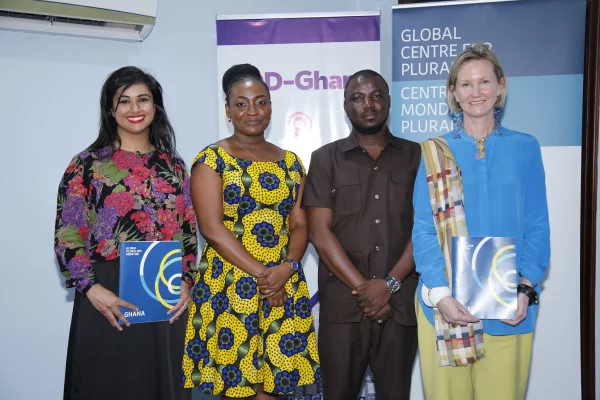
Ghana is often praised for being an example of democracy and peace in Africa. All of its elections since 1992 have occurred without widespread violence. This reflects an understanding that electoral competition is the only legitimate means to gain political power. Ghana is a country with numerous ethno-linguistic groups, religions and a north-south developmental divide. Ghana’s constitution fosters pluralism by guaranteeing the rights of all groups to exist and fully express themselves. Much of the population is also in favour of pluralistic values. In practice, discrimination based on ethnicity and gender is common, with diverse communities often facing obstacles for inclusion and representation in the political and economic spheres of society. Ghana has a mixture of legal commitments to pluralism but structural inequalities hamper progress. The Global Pluralism Monitor: Ghana report assesses the country’s commitment to inclusion and pluralism by focusing on ethnicity, religion, gender and the North-South divide. This assessment was completed in 2022.
Takeaways
Strong judicial and legal systems
Practices and Leadership
Socioeconomic disparities and the north-south divide
Drivers of Pluralism in Ghana

Diverse Political Leadership

Vibrant Civil Society

Acceptance of Groups
Recommendations
Tackling inequalities
Affirmative Action Bill
Media Regulations
Expansion of resources