2. VAW and Social Norms
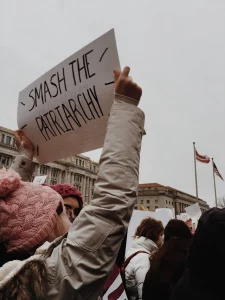
Patriarchal values and cultures of misogyny are some of the main contributors to violence against women.
The normalization of violence against women (VAW) has severe consequences, including unaddressed reports of violence, distrust in institutions, and extreme cases like female genital mutilation, child marriage, and femicides. Governments that fail to act against VAW, despite their commitments, are complicit in these harms.
Patriarchal values harm women directly and indirectly. The Sri Lanka report highlights how shame, fear, and disbelief prevent reporting of sexual violence. These values are held by both men and women, who may believe in submission to male authority and normalize violence. Similar issues are found in Ghana, South Africa, and Bosnia and Herzegovina, where low reporting rates are due to normalized gender-based violence, traditional roles, and institutional distrust.
Changing mindsets to value all individuals, regardless of gender identity and its intersections, is crucial for fostering pluralism. Importantly, pluralism is not relativism: pluralism rejects practices that oppress or devalue individuals based on identity. Engaging in dialogue through pluralism can help shift gender norms and challenge the normalization of VAW.
Explore the other trends:
1. VAW and Commitments
The signing of international treaties on women’s rights has, in most contexts, done little for eliminating violence against women.
3. Violence against Women in Politics
Equal participation of women in government has not resulted in reduced VAW and even translate into rising targeting of women in politics.
4. Violence Against Indigenous Women
Where there are Indigenous peoples, violence against Indigenous women is widespread and seldom addressed.
5. Media and VAW
The media can play an important role in how mindsets regarding VAW are shaped and should report these cases more responsibly.